
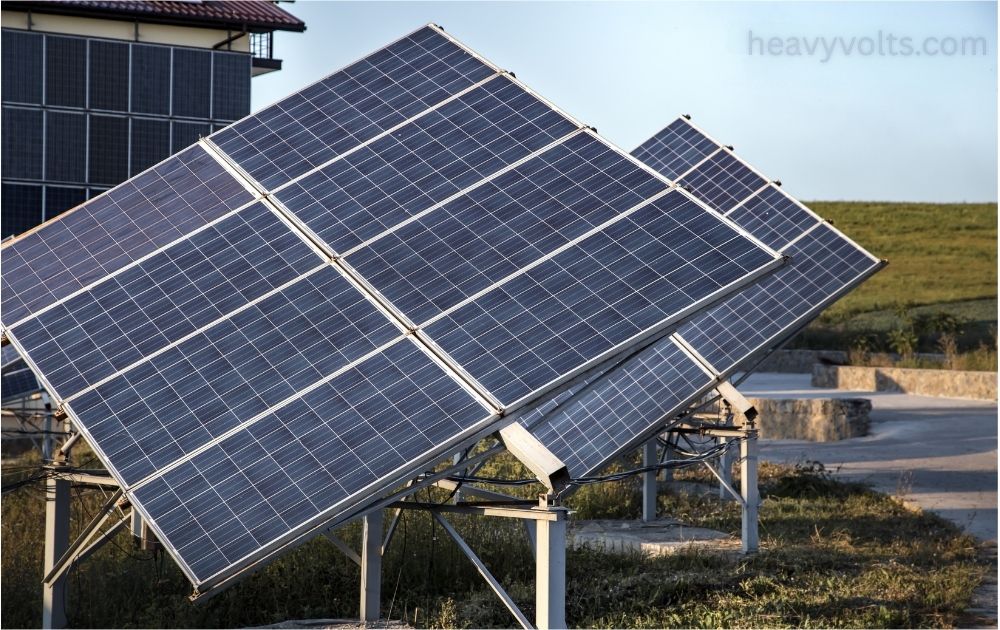
Solar panel size refers to both the physical dimensions of a solar panel and the amount of electricity it can generate. While many people focus on the panel’s length and width, its power output is equally important when selecting the right system.
Homeowners and businesses should consider available installation space, energy requirements, and panel efficiency when evaluating different options. Understanding solar panel size helps ensure a solar energy system is designed to provide maximum value, performance, and long-term savings.
Why Size Matters for Solar Installations
The size of a solar panel plays a key role in determining how much electricity a solar system can produce and how efficiently roof space is used. Choosing the right panel size helps homeowners maximize energy generation while ensuring the system fits properly on the available roof area.
Larger panels may deliver higher power output, while smaller panels can be ideal for roofs with limited space or complex layouts. Understanding panel size is essential for achieving the best balance between performance, cost, and long-term energy savings.
Standard Solar Panel Sizes in 2026
Residential Solar Panel Sizes
Residential solar panels are designed to fit the energy needs of most homes while making efficient use of available roof space. Standard residential panels typically measure around 1.7 to 1.8 meters in length and about 1.1 meters in width.
These panels are capable of generating substantial electricity, making them a practical choice for homeowners looking to reduce energy costs. With advancements in solar technology, modern residential panels now deliver higher power output without requiring significantly more space.
Commercial Panel Sizes
Commercial solar installations often use larger panels than residential systems. These panels typically measure around 2 meters long and 1 meter wide, with power outputs ranging from 500W to 600W. Their larger size allows businesses to maximize electricity production on expansive rooftops and industrial facilities.
Because commercial roofs generally offer more open space, installers can prioritize power generation without worrying about architectural obstacles. Larger panels reduce installation time because fewer modules are needed to achieve the desired system capacity. This can lower labor costs and improve project efficiency.
Businesses often focus on return on investment when selecting solar equipment. Larger commercial panels help achieve this goal by delivering greater energy production per panel. For warehouses, factories, and office buildings, these high-capacity modules are often the most economical solution.
Compact Solar Panels for Small Spaces
Compact solar panels are an excellent solution for homes and properties with limited roof space. These smaller panels are designed to deliver reliable energy production while fitting into areas where standard-sized panels may not be practical.
They are commonly used on small rooftops, sheds, caravans, and off-grid installations. Despite their reduced dimensions, modern compact solar panels offer impressive efficiency, making them a smart choice for maximizing renewable energy generation in tight spaces.
Solar Photovoltaic Panel Sizes Explained
Panel Dimensions
Solar photovoltaic panel sizes vary depending on their intended application. Residential panels usually occupy between 1.8 and 2.0 square meters of roof space. Commercial panels often require slightly more area due to their increased dimensions and power output.
The dimensions of a panel are determined largely by the number and size of solar cells it contains. Advances in manufacturing have introduced larger silicon wafers that increase power output without dramatically increasing physical dimensions. This innovation enables higher energy production while maintaining manageable panel sizes.
The following table provides a comparison of common panel types:
| Panel Type | Typical Dimensions | Power Output |
| Residential | 1.7m × 1.1m | 400W–500W |
| Commercial | 2.0m × 1.1m | 500W–600W |
| Compact | 1.5m × 0.7m | 250W–310W |
| High-Efficiency | 1.8m × 1.1m | 450W–500W |
Panel Weight and Thickness
Weight is another important consideration when evaluating solar panel size. Most residential panels weigh between 18kg and 25kg, while commercial models can exceed 28kg. Thickness generally ranges from 30mm to 40mm.
Modern roofing structures can usually support solar panels without additional reinforcement. However, installers always conduct structural assessments before installation to ensure safety. Weight distribution is carefully managed through mounting systems that spread the load across roof supports.
Thinner panels also offer aesthetic and practical benefits. They sit closer to the roof surface, creating a streamlined appearance and reducing wind resistance. As technology advances, manufacturers continue developing lighter and more durable modules that simplify installation and improve long-term reliability.
Solar Panel Sizes UK
Typical Panel Sizes in the UK
The market for solar panel sizes UK has become highly standardized. Most residential panels installed across the UK measure approximately 1.7 to 1.8 meters high and 1.1 meters wide. These dimensions allow homeowners to maximize power generation while fitting typical British roof designs.
Industry experts note that modern panels are significantly more powerful than older versions despite having similar dimensions. A panel generating 450W today often occupies nearly the same footprint as a 300W panel installed several years ago. This improvement demonstrates the remarkable progress of solar technology.
The UK solar market continues to grow rapidly. Reports indicate that the country surpassed two million solar installations and exceeded 22 GW of installed solar capacity in 2026, highlighting the increasing adoption of renewable energy solutions.
Roof Space Requirements
Roof space plays a critical role in determining system size. A standard residential solar panel typically covers around 1.87 square meters of roof area. Installers generally allow between 2.0 and 2.2 square meters per panel to accommodate mounting hardware and spacing requirements.
For a typical 4kW solar system, homeowners usually need approximately 17 to 20 square meters of usable roof space. This requirement can vary depending on panel efficiency and roof layout. South-facing roofs generally provide the highest energy production, though east- and west-facing installations can still perform well.
Obstacles such as chimneys, skylights, and roof valleys can reduce usable space. Professional assessments help determine the optimal panel arrangement to maximize energy generation while complying with installation standards.
UK Home System Sizing
The appropriate system size depends on household electricity consumption. Most UK homes install systems ranging from 3kW to 6kW, requiring approximately 8 to 16 panels. Community discussions and industry guidance suggest that systems within this range meet the needs of the majority of households.
| Home Size | System Size | Approximate Panels |
| 1 Bedroom | 1.5kW | 4 |
| 2 Bedrooms | 3kW | 8 |
| 3 Bedrooms | 4.5kW | 12 |
| 4+ Bedrooms | 6kW | 16 |
These figures serve as general guidelines. Individual energy usage patterns and future requirements should always be considered during system design.
Factors That Affect Solar Panel Selection
Roof Shape and Orientation
Your roof’s shape sets the stage for your entire solar setup. A wide-open, obstruction-free roof gives you far more flexibility than one crowded with chimneys, skylights, or dormers. Even a generously sized roof can lose its appeal if shadows creep in from surrounding obstacles.
Orientation is just as crucial. South-facing roofs soak up the most sunlight all day long, giving you maximum energy output. But don’t count out east- or west-facing roofs — paired with today’s high-efficiency panels, they can still pack a serious performance punch.
Energy Consumption Needs
No two households use energy the same way. If you’re running an EV, heat pump, or generally high electricity load, a larger system might be your best bet. Smaller households, on the other hand, can often hit their energy goals with fewer panels and a lighter upfront cost.
The secret to getting this right? Your past electricity bills. Digging into your consumption history reveals patterns that help pinpoint the perfect system size — so your investment works as hard as possible for you.
Panel Efficiency
Efficiency is all about power per square foot — how much sunlight a panel can turn into usable electricity. The higher the efficiency, the more energy you get from the same amount of roof space, making it a game-changer for homes with tighter roof areas.
And efficiency keeps climbing. Manufacturers are constantly refining cell technology, squeezing more power out of panels without making them any bigger — so you get more electricity from the very same rooftop.
Comparing Different Solar Panel Sizes
Size vs Power Output
Many people assume larger panels always produce more electricity. While this is often true, efficiency plays an equally important role. A high-efficiency 450W panel may outperform a physically larger but less efficient model.
When comparing panels, homeowners should evaluate wattage, efficiency ratings, warranty coverage, and manufacturer reputation rather than focusing solely on dimensions. A balanced approach ensures optimal long-term performance.
Size vs Cost
Larger panels often cost more initially but may reduce installation expenses because fewer modules are required. Smaller panels provide greater flexibility but may require additional mounting hardware and labor.
The best value depends on the specific property and energy goals. Professional installers can evaluate various options and recommend solutions that balance cost, performance, and available space.
Future Trends in Solar Panel Dimensions
High-Efficiency Panels
Solar technology continues to advance rapidly. Modern panels generate substantially more electricity than earlier generations while maintaining similar dimensions. Manufacturers are increasingly focused on improving efficiency rather than dramatically increasing panel size.
This trend benefits homeowners because higher output panels require fewer modules, reducing roof space requirements and installation complexity. As efficiency improves, solar energy becomes accessible to a broader range of properties.
Emerging Solar Technologies
Emerging technologies such as perovskite-silicon tandem cells promise even greater performance. Researchers have already demonstrated residential-sized panels achieving efficiency levels significantly above conventional modules. These innovations could reshape the future of solar energy by delivering higher output from familiar panel dimensions.
The future of solar panel size is not necessarily bigger panels but smarter panels. Advanced materials, improved manufacturing processes, and innovative cell designs will continue enhancing performance while maintaining practical dimensions.
Conclusion
Understanding solar panel size is essential for anyone considering solar energy. Modern solar photovoltaic panel sizes offer impressive power output while maintaining manageable dimensions that fit most residential and commercial roofs. In the UK, standard residential panels generally measure around 1.7 to 1.8 meters by 1.1 meters and can generate over 450W of electricity, making solar systems more efficient than ever before.
Choosing the right panel size involves evaluating roof space, energy consumption, efficiency, and budget. The best solution is rarely the largest panel available; it is the panel that delivers the greatest value for your specific needs. As solar technology continues advancing, homeowners can expect even higher performance from panels occupying the same amount of space, making renewable energy an increasingly attractive investment.
FAQ’S
Is it worth switching to a solar house?
For most homeowners, yes. Beyond lower bills, solar offers energy independence, increased property value, and a reduced environmental footprint — making it a smart long-term investment.
What is the standard solar panel size in the UK?
Most residential solar panels in the UK measure approximately 1.7m to 1.8m in length and around 1.1m in width.
How much roof space do 10 solar panels need?
A 10-panel system typically requires between 19 and 22 square meters of roof space, including installation spacing.
Are larger solar panels always better?
Not necessarily. Panel efficiency often matters more than physical size when determining overall performance.
How many solar panels does a typical UK home need?
Most UK homes require between 8 and 16 panels depending on electricity usage and desired system size.
Do modern solar panels generate more power than older ones?
Yes. Modern panels can produce significantly more electricity than older models while maintaining similar physical dimensions.