
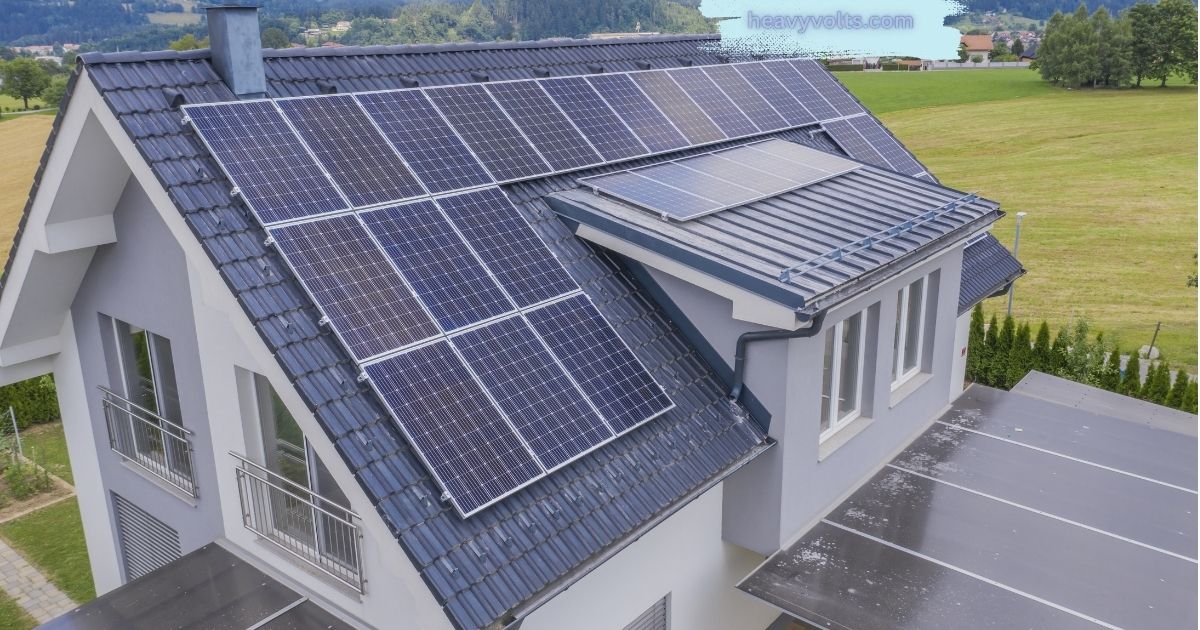
Power our homes is changing and for the better. More and more homeowners are turning to housing solar as a reliable, affordable, and eco-friendly solution to their energy needs. Whether you are tired of rising electricity bills, curious about renewable energy, or simply want to make a positive difference for the environment, solar power for your home is worth every consideration.
This article walks you through everything you need to know, from costs and setup to long-term value all in a simple, easy-to-understand way.
What Is Housing Solar and Why Does It Matter?
Housing solar simply refers to the use of solar panels installed on a home to capture sunlight and convert it into electricity. This electricity then powers your lights, appliances, heating systems, and more.
The concept of the solar house is no longer a futuristic dream it is a present-day reality for millions of families around the world. As energy costs continue to climb, solar power has become one of the most practical ways to take control of your home’s energy consumption while reducing your carbon footprint.
How Many Solar Panels to Power a House?
One of the first questions most homeowners ask is: how many solar panels to power a house? The honest answer is it depends.
The number of panels you need is influenced by several factors, including your home’s size, your average monthly electricity usage, the amount of sunlight your location receives, and the efficiency rating of the panels you choose.
On average, a typical home in the United States uses around 900 to 1,000 kilowatt-hours (kWh) of electricity per month. To meet this demand, most homes require somewhere between 20 to 30 solar panels. However, a smaller, energy-efficient home might get by with fewer panels, while a larger property with high energy consumption may need more.
The best approach is to consult with a certified solar installer who can assess your specific needs and design a system tailored to your home.
How Much Are Solar Panels for a House?
Cost is naturally one of the biggest concerns for homeowners considering Solar solutions. So, how much are solar panels for a house? As of recent estimates, the average house solar panels cost in the United States ranges between $15,000 and $30,000 before any incentives or tax credits. This figure includes the panels themselves, inverters, mounting hardware, and installation labor.
That said, the federal solar tax credit, also known as the Investment Tax Credit (ITC), currently allows homeowners investing in Housing Solar systems to deduct a significant percentage of their solar installation costs from their federal taxes, which can bring the overall price down considerably. Many states also offer additional rebates and incentives, making Housing Solar more accessible than ever before.
While the upfront investment may seem high, it is important to think of it as a long-term commitment. Most Housing Solar systems pay for themselves within 6 to 10 years through energy savings, after which the electricity you generate is essentially free.
Can a Home Run Entirely on Solar Power?
A very common question is: can solar panels power a house entirely on their own? The answer is yes—with the right Housing Solar setup. When properly sized and paired with a battery storage solution, a solar energy system can cover 100% of a home’s electricity needs, even during cloudy days or at night.
Housing Solar electricity generated during the day can be stored in home battery systems like the Tesla Powerwall or similar products, allowing homeowners to use solar energy even when the sun is not shining.
Additionally, homes connected to the grid can take advantage of net metering, which means any excess electricity your panels produce is sent back to the grid and you receive credits on your utility bill in return. This creates a beautiful balance between energy independence and grid reliability, making Housing Solar an attractive option for modern homeowners seeking long-term energy savings.
Do Solar Panels Increase House Value?
Beyond energy savings, many homeowners wonder: do solar panels increase house value? Research consistently says yes. Homes equipped with solar energy systems tend to command higher market prices compared to comparable homes without solar panels.
In fact, buyers are increasingly willing to pay a premium for a home with solar panels already installed, because it means lower energy bills from day one.
According to data from the U.S. Department of Energy, solar panels can increase a home’s resale value by an average of 3% to 4%. So not only does solar power save you money while you live in your home it can also make your property more attractive when it comes time to sell.
The Long-Term Benefits of a Solar House
Living in a solar house offers benefits that go far beyond just saving money on your electricity bill. Over time, homeowners enjoy greater energy independence, protection against fluctuating utility rates, and the satisfaction of contributing to a cleaner, greener planet.
Solar panels also require very little maintenance occasional cleaning and an annual inspection are usually all that is needed to keep them running efficiently for 25 years or more.
For families thinking about the long-term picture, housing solar is not just an energy choice it is a lifestyle choice. It is a quiet statement that says you care about your home, your finances, and the world your children will inherit.
Final Thoughts
Housing solar is one of the most meaningful investments a homeowner can make today. From understanding how many solar panels to power a house, to knowing the house solar panels cost, to realizing that solar panels do increase house value the case for going solar has never been stronger.
With technology improving and prices continuing to drop, there has truly never been a better time to make the switch.
If you are considering solar for your home, start by reaching out to a trusted local installer for a free assessment. The sun rises every day it is time to let it work for you.
FAQs About Housing Solar
How many solar panels do I need to power my house?
Most homes need between 20 to 30 solar panels, depending on your monthly electricity usage, home size, local sunlight levels, and the efficiency of the panels chosen. A certified installer can give you an exact number based on your specific home.
How much are solar panels for a house?
House solar panels typically cost between $15,000 and $30,000 before incentives. After applying the federal solar tax credit and any state rebates, the actual out-of-pocket cost is often significantly lower.
Can solar panels power a house completely?
Yes. When properly sized and combined with battery storage, a solar system can cover 100% of your home’s electricity needs, including during nighttime or cloudy days, thanks to stored energy and net metering credits.
How does house solar electricity work when it’s cloudy or at night?
Excess electricity generated during sunny hours is stored in home batteries (like a Tesla Powerwall) or sent back to the grid through net metering, so your home stays powered even without direct sunlight.
Do solar panels increase house value?
Yes. Homes with solar panels typically sell for 3% to 4% more than comparable homes without them, and buyers often view solar as a built-in cost-saving feature.
How long do solar panels last?
Most solar panels are designed to last 25 years or more, requiring only occasional cleaning and annual inspections to maintain efficiency.
How long does it take for solar panels to pay for themselves?
On average, a solar house system pays for itself within 6 to 10 years through reduced or eliminated electricity bills, after which the energy generated is essentially free.