
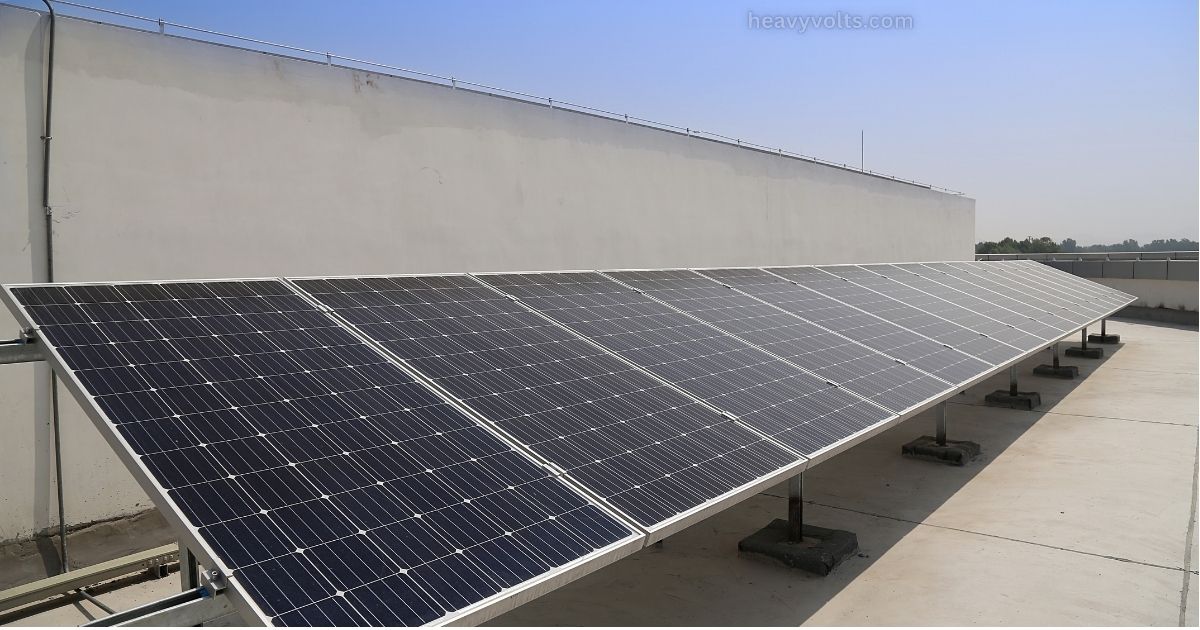
Solar panelled property is any home, office, warehouse, or commercial building equipped with solar panels that generate electricity from sunlight. These systems are designed to convert renewable solar energy into usable power for everyday activities such as lighting, heating, cooling, and operating appliances.
As energy prices continue to fluctuate, many property owners are looking for smarter and more sustainable solutions. Solar technology has emerged as one of the most effective options available today.
The concept of a solar panelled property goes beyond simply placing a few panels on a roof. It represents a shift toward cleaner energy consumption and greater control over electricity usage. Instead of relying entirely on traditional power grids, property owners can produce a significant portion of their own energy. This creates a more sustainable lifestyle while reducing dependence on fossil fuels.
As awareness of climate change and environmental protection continues to grow, solar panelled buildings are becoming increasingly common in both urban and rural areas.
Governments, businesses, and homeowners are embracing renewable energy as a practical investment that delivers long-term benefits. The result is a growing number of properties powered by the sun.
Why Solar Panels Are Becoming More Popular
Rising Energy Costs
One of the biggest reasons people invest in solar panels is the continuous rise in electricity prices. Utility bills can place a significant burden on household and business budgets. Solar energy provides a practical way to reduce those monthly expenses by generating electricity directly from sunlight.
When a solar panel system is installed, property owners can offset a large portion of their energy consumption. During sunny periods, the system may produce enough power to meet daily needs, reducing reliance on external electricity suppliers. Over time, these savings can add up substantially, making Solar panelled an attractive financial investment.
The ability to generate electricity on-site offers greater stability and predictability. Rather than worrying about future energy price increases, solar panel owners gain more control over their long-term energy costs.
Growing Environmental Awareness
Environmental concerns are also driving the demand for solar technology. Traditional electricity generation often depends on fossil fuels, which contribute to greenhouse gas emissions and climate change. Solar energy, on the other hand, produces clean electricity without releasing harmful pollutants during operation.
Many homeowners want to reduce their carbon footprint and contribute to a healthier environment. Installing solar panels allows individuals and businesses to actively support renewable energy adoption. Every kilowatt-hour generated by solar power helps reduce dependence on non-renewable resources.
This shift toward sustainable energy reflects a broader commitment to environmental responsibility. Solar panelled properties symbolize a future where energy production aligns with ecological preservation.
How Solar Panel Systems Work
Main Components of a Solar Panel System
A typical solar energy system consists of several essential components working together. The most visible element is the solar panel, which captures sunlight and converts it into electrical energy. These panels are usually installed on rooftops or open areas with maximum sun exposure.
The system also includes an inverter, which transforms direct current (DC) electricity generated by the panels into alternating current (AC) electricity used by most household appliances. Additional components may include mounting structures, monitoring equipment, and battery storage systems.
Together, they create a reliable system capable of generating clean power throughout the year.
Converting Sunlight into Electricity
The process begins when sunlight strikes the photovoltaic cells inside the solar panels. These cells absorb solar energy and create an electrical reaction that generates direct current electricity. The inverter then converts this electricity into a usable form for homes and businesses.
The generated power can be used immediately, stored in batteries, or exported to the electricity grid depending on the system configuration. This flexibility allows property owners to maximize the value of their solar investment.
The technology behind Solar panelled continues to improve, making modern systems more efficient and capable of generating greater amounts of electricity even under less-than-perfect conditions.
Key Benefits of Solar Panelled Buildings
Lower Electricity Bills
The most immediate advantage of solar panels is the reduction in electricity expenses. By generating power on-site, property owners purchase less electricity from utility companies. This can lead to substantial savings over the lifespan of the system.
Energy Independence
Solar panelled properties enjoy greater energy independence. Producing electricity locally reduces reliance on external energy suppliers and provides additional resilience during power disruptions.
Increased Property Value
Many buyers view solar-equipped properties as desirable investments. Lower operating costs, environmental benefits, and modern energy systems can increase a property’s market appeal and potential resale value.
Different Types of Solar Panels
Monocrystalline Solar Panels
Monocrystalline panels are known for their high efficiency and sleek appearance. They perform well in limited spaces and often generate more electricity per square meter than other options.
Polycrystalline Solar Panels
Polycrystalline panels offer a balance between affordability and performance. They remain a popular choice for residential installations where budget considerations are important.
Thin-Film Solar Panels
Thin-film panels are lightweight and flexible. Although generally less efficient than crystalline panels, they can be suitable for specialized applications and large commercial projects.
Factors to Consider Before Installing Solar Panels
Roof Condition and Orientation
The condition of the roof plays a major role in installation success. A strong, durable roof can support the system for many years. South-facing roofs often receive the greatest sun exposure in many regions.
Local Weather Conditions
Climate affects solar performance. Areas with abundant sunshine typically generate more electricity, although modern systems can still perform effectively under cloudy conditions.
Budget and Installation Costs
Initial installation costs vary depending on solar panel size, equipment quality, and labor requirements. Property owners should evaluate long-term savings alongside upfront expenses.
Solar Panels for Residential Properties
Homeowners increasingly choose solar energy to reduce household expenses and improve sustainability. Residential systems can power lighting, appliances, heating systems, and electronic devices. Many families appreciate the financial predictability that solar energy provides over time.
A solar panelled home often represents a long-term investment rather than a short-term purchase. The combination of lower electricity bills and potential property value increases makes solar technology attractive for many households. As installation options become more accessible, residential adoption continues to grow worldwide.
Solar Panels for Commercial Buildings
Commercial properties frequently consume large amounts of electricity. Solar installations can significantly reduce operational costs while demonstrating environmental responsibility. Businesses that adopt renewable energy often enhance their public image and sustainability credentials.
Large rooftops provide excellent opportunities for solar panel installations. Warehouses, office complexes, and manufacturing facilities can generate substantial amounts of clean energy. Over time, these systems may contribute to improved profitability and energy efficiency.
Common Myths About Solar Panels
Many people believe solar panels only work in extremely sunny climates. In reality, modern systems can generate electricity even during cloudy weather. While production may be reduced, energy generation does not stop completely.
Another common myth is that solar panels require constant maintenance. Most systems need only periodic cleaning and routine inspections. Their durability and reliability make them a practical long-term energy solution.
Some individuals assume solar technology is too expensive. Although installation involves an upfront investment, long-term energy savings often help offset these costs over the system’s lifespan.
Maintenance Requirements for Solar Panel Systems
Solar panels are designed for durability and long-term performance. Routine maintenance generally includes cleaning dirt, dust, and debris that may reduce efficiency. In many locations, natural rainfall helps keep panels relatively clean.
Regular inspections ensure that electrical connections, mounting systems, and inverters continue functioning properly. Addressing minor issues early can prevent larger problems later. Most solar systems are built to operate efficiently for decades with minimal intervention.
The low maintenance requirements make solar panels particularly appealing for both residential and commercial property owners seeking reliable renewable energy solutions.
The Future of Solar Panelled Properties
The future of solar energy looks exceptionally promising. Advances in photovoltaic technology continue to improve efficiency, durability, and affordability. As innovation accelerates, solar panels are becoming more accessible to a wider range of property owners.
Energy storage systems are also evolving rapidly. Improved battery technologies allow solar-generated electricity to be stored and used when sunlight is unavailable. This enhances energy independence and system flexibility.
Solar panelled homes and buildings are expected to play a central role in the transition toward cleaner energy systems. As governments, businesses, and individuals prioritize sustainability, solar technology will remain at the forefront of renewable energy development.
Conclusion
Solar panelled properties represent a powerful combination of economic savings, environmental responsibility, and energy independence. Whether installed on homes or commercial buildings, solar panels provide a practical solution for reducing electricity costs while supporting a cleaner future. Advances in technology continue to improve performance and affordability, making solar energy more accessible than ever before.
As the world moves toward sustainable energy solutions, solar panelled buildings are becoming symbols of innovation and responsible resource management. Investing in a solar panel system today can deliver benefits for decades, creating long-term value for property owners and future generations alike.
FAQs About Solar Panelled
What is a solar panelled property?
It’s any home, office, warehouse, or commercial building fitted with solar panels that convert sunlight into usable electricity for lighting, heating, cooling, and appliances.
How much money can I save with solar panels?
Savings depend on your system size and local sunlight, but by generating your own electricity you can significantly offset what you’d otherwise buy from the grid, with savings adding up over the system’s lifespan.
What are the main components of a solar panel system?
The core parts are the solar panels themselves (which capture sunlight), an inverter (which converts DC electricity to usable AC power), plus mounting structures, monitoring equipment, and optional battery storage.
Do solar panels work on cloudy days?
Yes. Production is reduced compared to sunny days, but modern systems still generate electricity in cloudy conditions — they don’t stop working entirely.
What types of solar panels are available?
The three main types are monocrystalline (highest efficiency, sleek look), polycrystalline (a budget-friendly, popular residential choice), and thin-film (lightweight and flexible, often used in specialized or large commercial projects).
How much maintenance do solar panels need?
Very little. Routine care mainly involves occasional cleaning of dirt or debris (rainfall often helps with this) and periodic inspections of electrical connections and inverters. Most systems run efficiently for decades with minimal upkeep.