
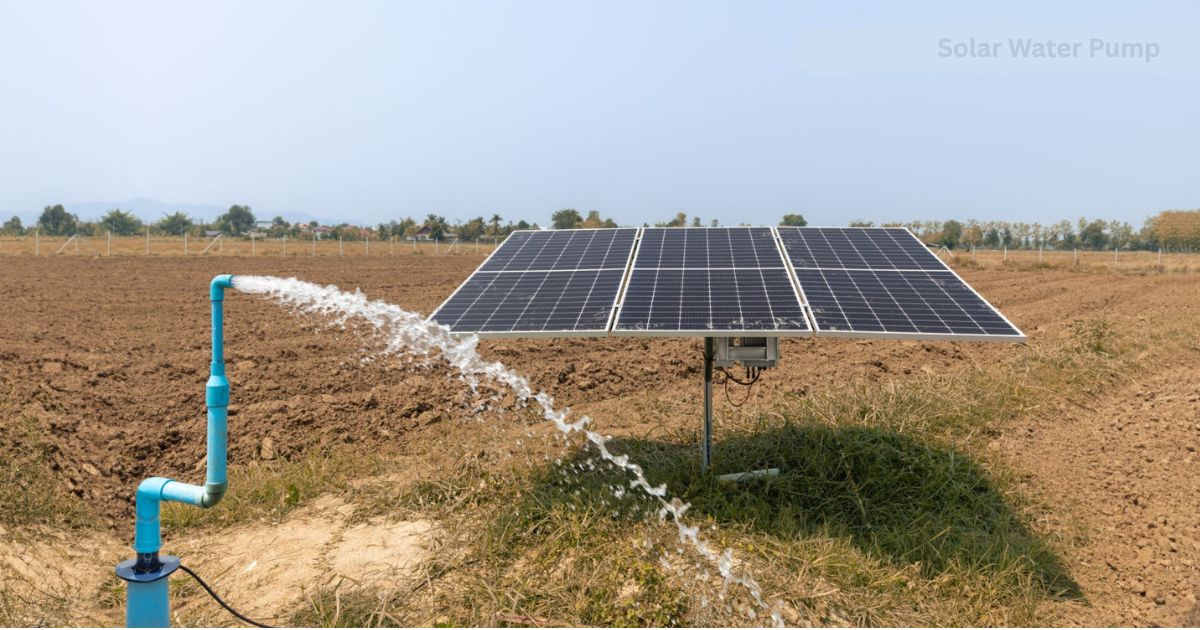
Solar Water Pump technology is transforming the way people access and manage water by using clean, renewable energy from the sun. Whether for farms, homes, gardens, or remote communities, a water pump provides a reliable and cost-effective solution without depending on expensive electricity or fuel.
It represents a smarter approach to water management, combining modern innovation with environmental responsibility. By delivering consistent water while reducing operating costs and carbon emissions, solar-powered pumping systems have become a valuable investment for those seeking sustainability, energy independence, and long-term savings.
The Working Principle of a Solar Water Pump
At its core, a water pump is a beautifully simple system. Photovoltaic solar panels are positioned to capture sunlight throughout the day, converting that light into electrical energy. This electricity then powers a motor that drives the pump, pulling water from its source whether that is a deep underground well, a surface river, a borehole, or a storage reservoir and pushing it to wherever it is needed most.
A good water pump for solar use is designed to work in harmony with the natural rhythms of daylight, running efficiently during sunny hours and, in battery-equipped systems, continuing to serve even when clouds roll in or evening arrives. The result is a steady, dependable flow of water that does not depend on fuel costs or grid availability.
The Wide World of Solar Water Pump Applications
What makes a water pump particularly wonderful is how naturally it fits into so many different settings and situations. For the farmer tending fields of crops, a water pump for solar irrigation can mean the difference between a thriving harvest and a struggling one delivering consistent moisture to roots without the burden of rising diesel costs or unreliable power supply.
For families living in rural or off-grid areas, a water pump can bring clean, accessible water directly to their homes, transforming daily life in ways that are hard to overstate. Gardeners use them to keep flower beds and vegetable patches beautifully watered.
Livestock owners rely on them to keep troughs full through long, warm days. Even in urban settings, water pumps are finding elegant applications in pond management, fountain systems, and rooftop garden irrigation.
Why a Water Pump for Solar Energy Makes Financial Sense
One of the most compelling reasons to choose a water pump is the very real and lasting financial relief it provides. Traditional pumps powered by electricity or diesel come with ongoing costs that accumulate steadily over months and years fuel purchases, electricity tariffs, engine servicing, and the unpredictable expense of mechanical breakdowns.
A water pump for solar, by contrast, draws its power from the sun, which is entirely free. Once the initial investment in panels and equipment is made, the day-to-day running costs fall to nearly nothing.
Over the lifespan of the system which, with quality components, can comfortably span a decade or more the savings are substantial. For farmers and rural households in particular, this financial breathing room can make a meaningful difference to their overall quality of life.
Environmental Reasons to Choose a Solar Water Pump
Beyond the practical and financial benefits, choosing a solar water pump is a genuinely kind choice for the environment. Diesel-powered pumps release harmful emissions into the air with every hour of operation, contributing to air pollution and greenhouse gas accumulation.
Electric pumps, depending on the source of the grid power, can carry a significant carbon footprint as well. A water pump produces absolutely zero emissions during operation, drawing cleanly and quietly on renewable solar energy day after day.
For those who feel a sense of responsibility toward the natural world toward cleaner air, healthier soil, and a more stable climate the water pump for solar energy represents a tangible way to act on those values without sacrificing performance or convenience.
Selecting the Right Solar Water Pump for Your Needs
Choosing the most suitable water pump for your specific situation is an important step that deserves a little careful thought. The depth of the water source matters greatly submersible water pumps are designed for deep wells and boreholes, while surface pumps handle shallower sources with ease.
The daily volume of water you need, the height to which it must be pumped, and the typical sunlight hours available in your region will all influence the size of the solar panel array and the pump capacity you require.
A quality water pump for solar use should also carry appropriate weatherproofing ratings, ensuring it can handle rain, dust, and the full range of outdoor conditions without faltering. Seeking guidance from a knowledgeable supplier before purchasing will help ensure the system you choose is precisely matched to your needs.
Installation, Care, and Long-Term Reliability
One of the quietly underappreciated advantages of a water pump is how straightforward it is to install and look after. Unlike diesel pump systems that require fuel lines, exhaust management, and complex engine servicing, a water pump setup typically involves mounting the panels, connecting the motor, and positioning the pump in or near the water source.
Most installations can be completed in a single day, and the system begins delivering water almost immediately. Ongoing maintenance is refreshingly light a periodic cleaning of the solar panels to remove dust and grime, along with occasional checks of wiring and pump connections, is usually all that is required.
With proper care, a good water pump for solar use will serve reliably and consistently for many years, making it one of the most dependable tools in any water management system.
The Human Side of Water Pumps
It is worth pausing for a moment to appreciate what a water pump means beyond the technical specifications and cost calculations. In communities where clean water access has historically been difficult, expensive, or entirely absent, a solar water pump can genuinely change lives.
Children who once walked long distances to collect water can stay in school. Women who spent hours each day carrying heavy loads can reclaim their time and energy. Farmers who struggled through dry seasons can plant with confidence.
The water pump for solar energy is not just a piece of equipment in many places, it is a doorway to dignity, health, and opportunity. That quiet but profound human impact makes it one of the most meaningful applications of solar technology in the world today.
Final Thoughts
A solar water pump is far more than a modern convenience it is a thoughtful, sustainable, and deeply practical answer to one of humanity’s oldest needs. By choosing a water pump for solar energy, you are choosing independence from rising fuel costs, freedom from grid dependency, a lighter footprint on the environment, and a more reliable supply of water for everything that matters to you.
Whether your needs are modest or large, whether you tend a small garden or manage a working farm, the sun has more than enough energy to keep your water flowing gently, cleanly, and day after beautiful day.
FAQs About Solar Water Pump
What is a solar water pump and how does it work?
Photovoltaic panels capture sunlight and convert it into electricity, which powers a motor that drives the pump pulling water from a well, river, borehole, or reservoir and delivering it wherever it’s needed.
What can solar water pumps be used for?
They’re used for farm irrigation, providing clean water access for rural or off-grid homes, watering gardens and flower beds, filling livestock troughs, and even urban applications like pond management or rooftop garden irrigation.
Do solar water pumps still work on cloudy days or at night?
Battery-equipped systems can continue operating even when clouds roll in or in the evening, though standard systems run most efficiently during sunny daylight hours.
Are solar water pumps cost-effective compared to diesel or electric pumps?
Yes. While there’s an initial investment in panels and equipment, running costs fall to nearly nothing afterward since sunlight is free, avoiding the fuel purchases, electricity tariffs, and engine servicing costs that traditional pumps require.
How long do solar water pumps last?
With quality components, a solar water pump system can comfortably last a decade or more.