
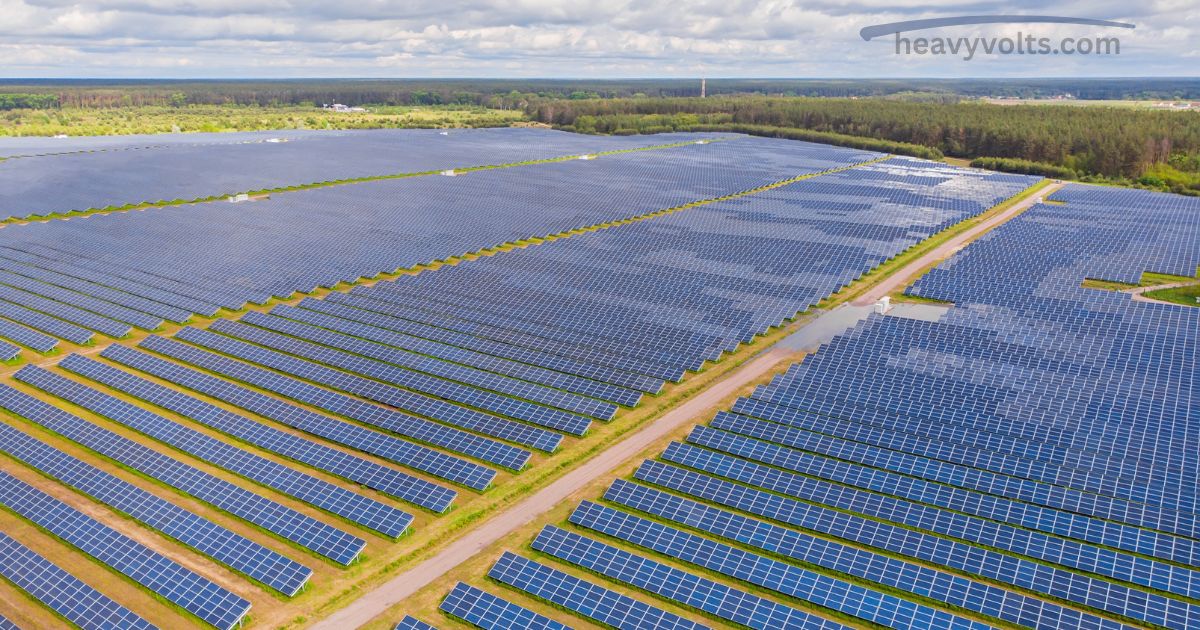
Commercial solar panels are transforming the way businesses manage their energy needs by providing a reliable and cost-effective source of electricity. Companies across industries, from factories and warehouses to schools, hotels, and office buildings, are choosing solar power to lower operating expenses and reduce dependence on the traditional power grid.
As energy prices continue to rise, investing in renewable energy has become a practical long-term solution for improving financial stability. Recent industry reports show that global solar installations reached a record 664 GW in 2025, reflecting the growing trust in solar technology worldwide. Unlike residential systems, commercial installations are built to meet higher energy demands using advanced photovoltaic panels, durable mounting structures, and smart monitoring systems.
These systems deliver consistent performance for decades while helping businesses reduce monthly electricity costs and improve sustainability. With continuous technological advancements, Commercial solar panels remain one of the smartest investments for organizations seeking long-term energy efficiency and environmental responsibility.
How Commercial Solar Systems Work?
Commercial solar systems operate by converting sunlight into electricity through photovoltaic cells embedded inside each solar panel. When sunlight strikes these cells, it generates direct current (DC) electricity. Commercial inverters then convert this DC electricity into alternating current (AC), which powers office equipment, machinery, lighting systems, HVAC units, and other business operations. Any excess electricity can often be exported back to the electrical grid where local regulations permit.
Modern commercial systems include sophisticated monitoring platforms that allow facility managers to observe power generation, energy consumption, and system performance through mobile applications or desktop dashboards. This level of visibility helps identify maintenance needs early while maximizing energy production throughout the year.
Recent market reports indicate that the commercial solar segment continues to grow steadily despite changing market conditions. In the United States alone, commercial solar added more than 2.3 GW of new capacity during 2025, representing another record year for the sector.
Commercial solar installations are engineered to withstand harsh weather conditions including heavy rain, strong winds, and high temperatures. With proper maintenance, most quality solar panels continue producing electricity efficiently for 25 to 30 years or longer, making them an exceptionally durable business asset.
Why Businesses Are Switching to Commercial Solar Panels
Businesses are increasingly looking for ways to lower operating costs while meeting their sustainability goals. Rising electricity prices have made renewable energy an attractive option for warehouses, factories, offices, hotels, hospitals, and retail spaces. Commercial solar panels help organizations generate clean electricity, reduce dependence on the grid, and achieve more predictable energy expenses over the long term.
They also enhance a company’s reputation by demonstrating a commitment to environmental responsibility, which appeals to customers, investors, and business partners. Modern solar technology offers improved efficiency, longer-lasting performance, and smart monitoring systems for better energy management. With the added benefit of financial incentives available in many regions, solar energy continues to be a valuable investment for businesses planning for a more sustainable future.
Commercial Solar Panel Installation
The success of any solar project depends heavily on a professional commercial solar panel installation process. A well-designed system ensures maximum energy production, long-term reliability, and compliance with local electrical regulations.
Site Assessment
Every commercial solar project begins with a detailed site inspection. Engineers evaluate the building structure, roof condition, available land, electrical infrastructure, and overall energy consumption. They also examine shading from nearby buildings or trees, roof orientation, and local weather patterns to estimate expected solar production. This assessment helps determine the ideal system size and identifies any structural improvements needed before installation begins.
System Design
After the assessment, engineers create a customized solar system tailored to the business’s energy requirements. This includes selecting high-efficiency solar panels, commercial inverters, mounting systems, wiring layouts, and safety equipment.
Permits and Approvals
Commercial solar projects typically require building permits, electrical approvals, and utility company authorization. Professional installers manage this paperwork to ensure compliance with local building codes and safety standards. While permit requirements vary by location, experienced contractors help streamline the approval process and reduce unnecessary delays.
Installation Process
Solar panels are securely attached, electrical wiring is installed, and inverters are connected to the building’s electrical system. Safety measures are followed throughout the project to protect workers and ensure compliance with electrical regulations. Depending on the size of the installation, construction may take anywhere from a few days to several weeks.
Testing and Grid Connection
Before the system becomes operational, technicians perform comprehensive testing to verify electrical performance, inverter functionality, safety mechanisms, and monitoring software. After successful inspection, the utility company authorizes the grid connection. Once activated, the business immediately begins generating clean electricity while monitoring energy production through digital dashboards.
Benefits of Commercial Solar Panels
Installing commercial solar panels provides advantages that extend far beyond reducing electricity bills. One of the greatest benefits is long-term financial stability. Since sunlight is free, businesses can significantly reduce their exposure to rising energy prices, making future operating costs easier to predict. Over the lifetime of the system, these savings often exceed the initial investment many times over.
Solar power also enhances business continuity by reducing dependence on traditional energy suppliers. When combined with battery storage systems, commercial solar installations can provide backup power during outages, helping critical operations continue without interruption. This reliability is especially valuable for healthcare facilities, manufacturing plants, and data centers where downtime can be extremely costly.
Environmental responsibility is another important advantage. Solar energy generates electricity without producing greenhouse gas emissions during operation. By switching to renewable energy, businesses reduce their carbon footprint while supporting global sustainability goals. This commitment often strengthens brand image and demonstrates leadership within the community.
Commercial solar installations can also increase property value. Buildings equipped with renewable energy systems are often more attractive to buyers and tenants because they offer lower operating expenses. As energy efficiency becomes a growing priority in commercial real estate, solar-equipped properties continue to gain market appeal.
Common Mistakes to Avoid
Although solar technology has become highly reliable, businesses can still make costly mistakes during planning and installation. One common mistake is selecting a system based only on the available roof space instead of analyzing actual electricity consumption. Oversized or undersized systems may reduce overall financial returns.
Another mistake is ignoring future business growth. If a company plans to expand its operations, install electric vehicle charging stations, or add new machinery, the solar system should be designed with future energy needs in mind. Planning ahead can save significant upgrade costs later.
Businesses should also avoid neglecting routine inspections. While commercial solar panels require very little maintenance, occasional cleaning and professional inspections help maintain peak efficiency. Dust, leaves, bird droppings, or damaged wiring can reduce energy production if left unaddressed.
Finally, failing to review warranties and maintenance agreements may lead to unexpected expenses. Always understand what is covered, how long the warranty lasts, and what support the installer provides after the system is commissioned.
Maintenance Requirements
One of the greatest advantages of commercial solar panels is their minimal maintenance. Unlike many industrial systems, solar panels contain no moving parts, which significantly reduces wear and tear. Regular visual inspections, occasional cleaning, and periodic electrical testing are generally sufficient to keep the system operating efficiently.
Monitoring software also plays a valuable role in preventive maintenance. Modern systems continuously track energy production and automatically notify owners if performance drops below expected levels. This allows technicians to identify and resolve issues before they become major problems.
Most commercial solar panel are designed to withstand harsh weather conditions, including heavy rain, strong winds, snow, and high temperatures. With proper care, businesses can expect reliable electricity generation for 25 to 30 years or even longer. Inverters may require replacement after 10 to 15 years, but ongoing technological improvements continue to increase equipment lifespan and efficiency.
The Future of Commercial Solar Energy
The future of commercial solar energy looks brighter than ever. Continuous advancements in photovoltaic technology are making solar panels more efficient, lighter, and easier to install. At the same time, battery storage systems are becoming more affordable, allowing businesses to store excess electricity for use during evenings or power outages.
Artificial intelligence and smart energy management systems are also transforming the industry. Businesses can now optimize electricity usage automatically by analyzing weather forecasts, energy demand, and utility pricing. These innovations improve overall system efficiency while maximizing financial returns.
Governments around the world continue to encourage renewable energy adoption through supportive policies, incentives, and sustainability initiatives. As more companies commit to reducing carbon emissions, commercial solar panel installation will remain a key strategy for achieving environmental goals while strengthening long-term business resilience.
Conclusion
Commercial solar panels have become a smart long-term investment for businesses seeking lower energy costs and greater sustainability. They provide reliable, clean electricity while reducing dependence on traditional power sources and requiring very little maintenance. A professionally designed solar system also enhances a company’s environmental reputation and supports long-term business growth. As solar technology continues to improve and electricity prices rise, investing in solar offers both financial savings and lasting value. It is a practical solution that helps businesses build a more efficient and sustainable future.
Frequently Asked Questions
What are commercial solar panels?
Commercial solar panels are large-scale photovoltaic systems designed to generate electricity for businesses, factories, warehouses, schools, hospitals, and commercial buildings.
How long does commercial solar panel installation take?
Most projects take between one and eight weeks, depending on system size, permitting requirements, weather conditions, and project complexity.
How long do commercial solar panel last?
High-quality commercial solar panel typically last 25 to 30 years or more, with many continuing to produce electricity beyond their warranty period.
Do commercial solar panel require regular maintenance?
Maintenance is generally minimal and includes periodic cleaning, routine inspections, monitoring system performance, and occasional inverter servicing.
Is commercial solar a good investment for businesses?
Yes. Most businesses experience significant reductions in electricity costs and achieve a strong return on investment while supporting long-term sustainability goals.