
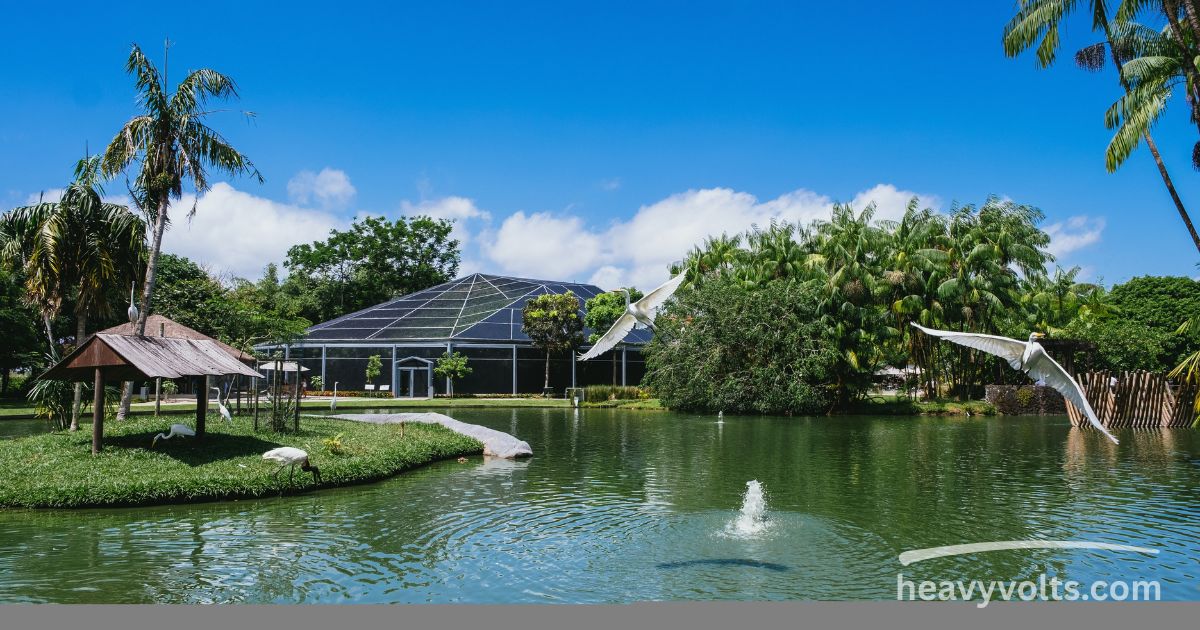
It is a small world of its own, with fish gliding beneath the surface, plants swaying softly, and birds stopping by for a drink. To keep that little world healthy, water needs to move. A solar pond pump offers a peaceful and eco-friendly way to do exactly that, using nothing but sunlight to keep your pond fresh, clear, and full of life.
Why Moving Water Matters
Still water may look calm, but it can quietly become a problem. Without circulation, oxygen levels drop, algae spread more easily, and mosquitoes find the perfect place to breed. A solar pump for a pond keeps the water gently flowing, which helps distribute oxygen, discourages stagnation, and supports the fish and plants that call your pond home. The soft sound of trickling water is also a lovely bonus, turning an ordinary garden corner into a calming retreat.
How a Solar Powered Pond Pump Works
The idea behind a solar powered pond pump is beautifully simple. A small solar panel sits in a sunny spot and captures sunlight, converting it into electricity. That energy runs the pump, which pushes water through a fountain head, a waterfall, or a filter.
There are no long cables to bury, no electrician to call, and no rise in your electricity bill. Many models are ready to use straight out of the box, so even a beginner can set one up in a matter of minutes.
Benefits of Solar Water Pumps for Ponds
One of the greatest advantages of solar water pumps for ponds is the freedom they give you. You can place a pond anywhere in your garden, even far from a power outlet, and still enjoy running water. They are also kind to the environment, since they produce no emissions and use a renewable energy source.
Over time, they save money as well, because the sunshine is free. Safety is another quiet benefit: with low-voltage operation and no mains wiring near the water, there is less to worry about around children, pets, and wildlife.
Things to Consider Before You Buy
Before choosing a solar power pump for your pond, it helps to think about a few simple things. Pond size matters, since a small pump may not move enough water in a large pond. Sunlight is important too, so choose a spot for the panel that gets several hours of direct light each day.
Look for adjustable fountain heads if you want different spray patterns, and consider a model with a battery backup if you would like the pump to keep running on cloudy days or in the evening. A pump with a built-in filter guard can also help prevent clogging from leaves and debris.
Caring for Your Solar Pond Pump
Maintenance is refreshingly light. Wipe the solar panel every so often to remove dust, pollen, or bird droppings, since a clean panel absorbs more sunlight. Rinse the pump’s intake and nozzle now and then to clear away algae or debris.
In colder regions, it is wise to remove the pump before winter to protect it from freezing. A little gentle attention goes a long way in helping the pump last for years.
Final Thoughts
A solar pond pump is a thoughtful, low-effort way to care for your pond while caring for the planet too. It brings movement, oxygen, and gentle sound to your garden without adding cost or complexity.
With a little planning, a sunny spot, and the right pump for your pond’s size, you can enjoy clear, lively water and a peaceful outdoor space for many seasons to come.
Frequently Asked Questions
Do solar pond pumps really work?
Yes, they do, as long as they are matched to the right pond and placed in good sunlight. Solar pumps are especially well suited to small and medium ponds, water features, and fountains. They may not match the power of a large mains-powered pump, and their output can vary with the strength of the sun, but for everyday pond circulation and decoration they work very well. Choosing a model with the right capacity for your pond makes all the difference.
Which Solar Water Pump Is Best for a Pond?
There is no single best option for everyone, because the right choice depends on your pond. For a small garden pond or a bird bath, a compact panel-and-pump kit is usually enough. For larger ponds, look for a stronger pump with a larger panel, and ideally a battery backup for steady performance.
Features worth looking for include adjustable flow, multiple fountain heads, a durable panel, and a filter that resists clogging. Reading product specifications and matching the flow rate to your pond size will guide you toward the best fit.
Can a Pond Pump Run Using Solar Power?
Absolutely. Many pond pumps are designed specifically to run on solar power, either directly from the panel or through a rechargeable battery. Direct solar pumps work only while the sun is shining, while battery-equipped systems store extra energy so the pump can continue running when the light fades.
It is also possible to power a standard low-voltage pond pump with a larger solar setup, though this takes a bit more planning.
Does a Pond Pump Need to Operate 24 Hours a Day?
For ponds with fish, it is generally best to keep water circulating around the clock, because fish rely on well-oxygenated water, and stagnant conditions can build up quickly. In a pond without fish, or one that is purely decorative, running the pump for part of the day is often fine.
If you rely on a solar pump without a battery, the pump will naturally rest at night, so a pond with many fish may benefit from an additional air pump or a battery-backed system to keep oxygen levels steady.