
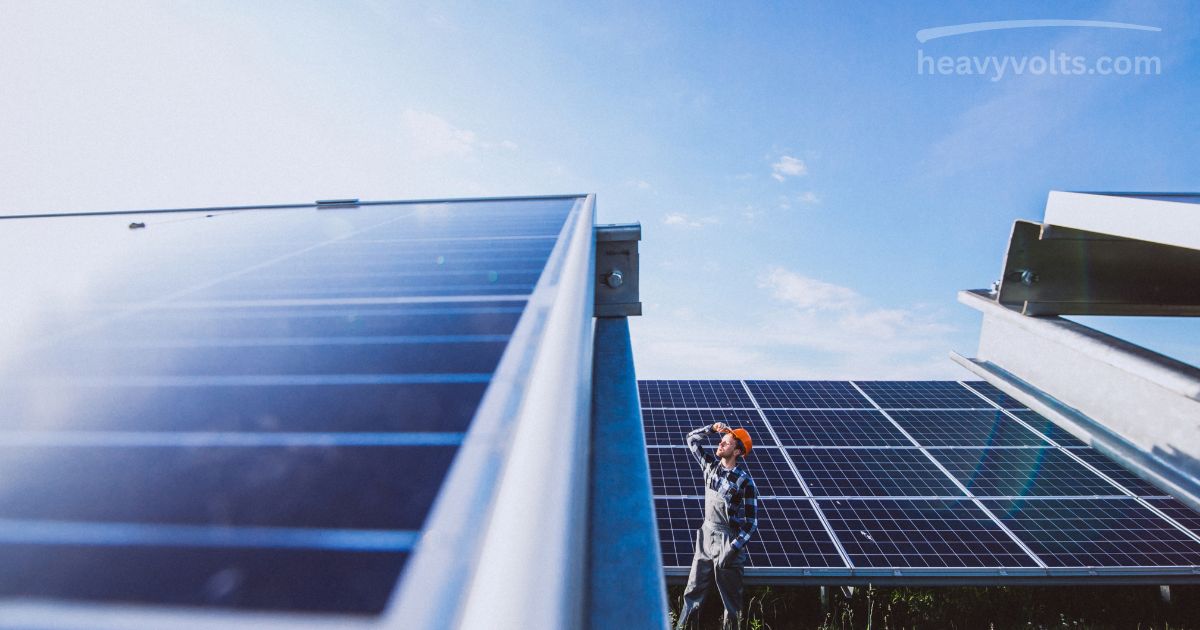
The sun to warm your water. Solar thermal panels make this possible, capturing sunlight and turning it into heat for your home. Unlike the more familiar photovoltaic panels that produce electricity, thermal solar panels are designed with one simple purpose: to collect warmth.
For many households, this makes them a practical, down-to-earth way to lower energy bills and live a little more sustainably.
What Are Solar Thermal Panels?
A solar thermal panel is a device that absorbs energy from the sun and uses it to heat a fluid, usually a mix of water and a protective antifreeze. That warmed fluid travels through a small circuit of pipes to a hot water cylinder in your home, where it transfers its heat to the water you use for washing, bathing, and cleaning.
People often use the phrases thermal solar panel and solar thermal panel interchangeably, but they all describe the same helpful technology. Because the system focuses on heat rather than electricity, it tends to be very efficient at what it does, converting a large share of the sunlight it receives into usable warmth.
How Thermal Solar Panels Work
The process is wonderfully simple. Sunlight falls on the panel, which is usually mounted on a south-facing roof. Inside, a dark absorber plate soaks up the heat and passes it to the fluid circulating through tubes. A small pump moves this warmed fluid down to a heat exchanger coil inside your hot water cylinder, gently raising the temperature of the water stored there. Once the fluid has given up its heat, it flows back up to the panel to begin again.
There are two main types of panel. Flat plate collectors are sturdy and generally more affordable, while evacuated tube collectors use a series of glass tubes with a vacuum layer that holds heat well, which can be helpful on cooler or cloudier days. Both work on overcast days too, though they produce more heat when the sun shines brightly.
Do They Work in the UK Climate?
It is a common worry that the British weather is too grey for solar heating, but this is a happy misconception. Even on hazy days, solar thermal panel collect some heat. In the warmer months, a well-sized system can provide most of a household’s hot water, and across the whole year it can typically cover around half of the annual hot water demand. In winter, you will usually still need a boiler or immersion heater to top things up, but the sun carries a meaningful share of the load for much of the year.
The Benefits of Choosing Solar Thermal
Beyond lower energy bills, solar thermal panels offer a sense of independence from rising fuel costs. They reduce your carbon footprint, require very little maintenance, and can last twenty to thirty years when properly cared for. They also pair well with existing boilers, so you do not need to replace your current heating setup. For families who use plenty of hot water each day, the savings can feel especially rewarding over time.
Solar Thermal Panel Installation: What to Expect
Solar thermal panel installation is usually a straightforward process carried out over a day or two by a qualified installer. First, the installer assesses your roof’s direction, angle, and shading, since a south-facing, unshaded roof gives the best results. The panels are then fixed securely to the roof, pipework is connected to your cylinder, and a pump and control unit are fitted so the system runs automatically. If your current hot water cylinder lacks a second coil, it may need to be replaced with a solar-ready one.
It is wise to choose an installer accredited under the Microgeneration Certification Scheme (MCS), which gives you confidence in the quality of the work and the product. You may also want to check whether planning permission is needed, although in most cases solar panels on a typical home fall under permitted development.
A Few Thoughtful Considerations
Before committing, it helps to think about how much hot water your household uses, how much roof space you have, and whether your cylinder can accommodate the system. Getting quotes from two or three reputable installers will give you a clearer picture of what suits your home and budget. Taking your time with this decision usually leads to a happier outcome.
Final Thoughts
Solar thermal panels offer a calm, dependable way to make use of something that arrives at your roof every day for free. They will not suit every home, but for many they bring lower bills, a lighter environmental footprint, and the quiet pleasure of knowing your morning shower was warmed by the sun. If you are considering them, take your time, speak with trusted professionals, and choose the system that fits the way you live.
Frequently Asked Questions
Solar thermal panels UK?
Solar thermal panels are well suited to UK homes, particularly those with a south-facing roof and a regular need for hot water. Although sunshine levels vary across the country, the panels still gather useful heat even on cloudy days, making them a sensible addition to many British households.
What is Solar thermal panel cost ?
The cost depends on the size of the system, the type of panel, and the complexity of the installation. Flat plate systems are generally the more budget-friendly option, while evacuated tube systems cost a little more. Additional work, such as replacing your hot water cylinder, can also affect the final price. Asking for several written quotes is the best way to find a fair figure.
Solar thermal panels for sale ?
You can find solar thermal panel for sale through specialist renewable energy suppliers, accredited installers, and some larger builders’ merchants and online retailers. If you are planning to install them yourself or hire someone, look for products with recognised certifications such as Solar Keymark, and make sure your installer is MCS accredited for peace of mind.
Solar thermal panels for hot water ?
Heating water is exactly what these panels do best. They warm the water stored in your cylinder using free solar energy, which reduces how often your boiler or immersion heater needs to switch on. Over a year, they can cover a large portion of your household’s hot water needs.
What is Solar thermal panels cost UK ?
In the UK, a typical domestic solar thermal installation commonly falls in the range of roughly £3,000 to £5,000, though prices can be lower or higher depending on your home and the installer. Prices change over time, so it is worth requesting current quotes and checking whether any grants or incentives are available in your area.
Solar thermal panel how they work
Solar thermal panels absorb sunlight on a dark plate, which heats a fluid flowing through pipes inside the panel. A pump carries this warm fluid to a coil in your hot water cylinder, where the heat passes into the water. The cooled fluid then returns to the panel to be heated again, repeating the cycle for as long as the sun provides warmth.