
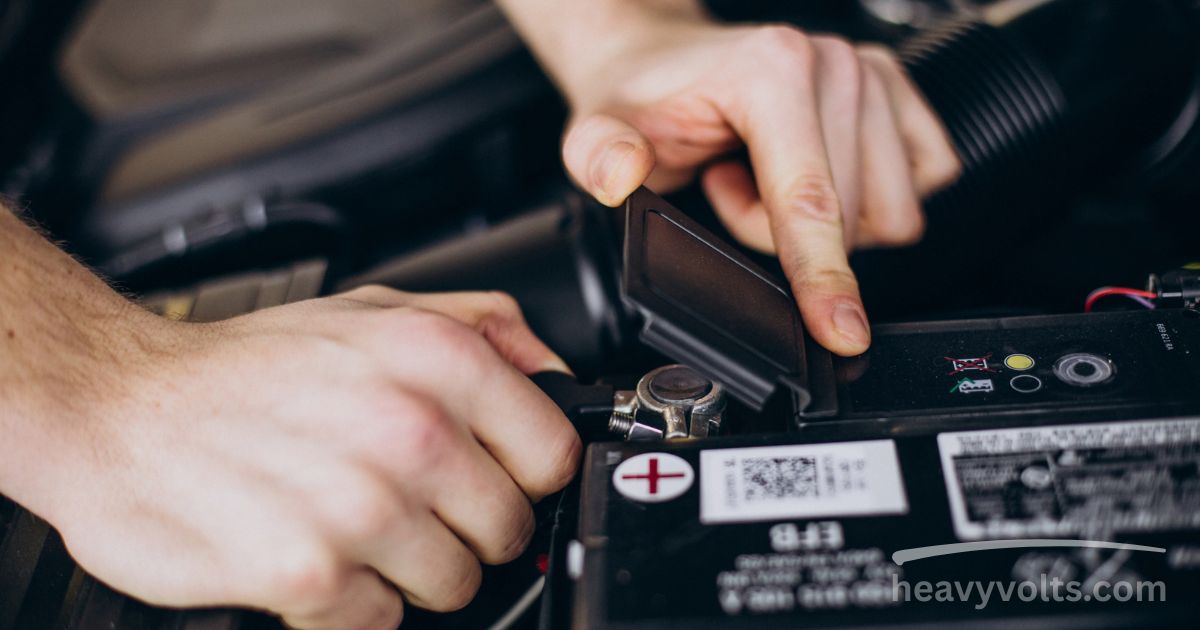
Every vehicle, no matter how advanced its engine may be, relies on a quiet but essential component to bring it to life each morning the 12 volt Vehicle battery. Tucked away under the hood, this unassuming box of chemistry and metal plates is responsible for starting your engine, powering your headlights, running your radio, and keeping every electronic system in sync.
While it rarely gets the appreciation it deserves, the moment it starts to fail, you realize just how much your daily life depends on it. In this article, we’ll gently walk through everything you need to know about 12 volt batteries from why they sometimes stop charging, to their surprising role in hybrid vehicles, and even how the same basic technology powers ride-on toy vehicles for children.
What Is a 12 Volt Vehicle Battery?
A 12-volt vehicle battery is a rechargeable power source, most commonly built using lead-acid technology, that supplies electrical energy to start a vehicle’s engine and run its electrical accessories. It works by storing chemical energy and converting it into electrical energy through a reaction between lead plates and sulfuric acid electrolyte.
Once the engine starts, the vehicle’s alternator takes over, recharging the battery and powering the electrical systems while you drive. Though “12 volt” describes its nominal voltage, a fully charged battery often reads closer to 12.6 volts when the engine is off, and slightly higher while charging. This small but mighty unit is the unsung foundation of nearly every vehicle on the road today, including many that you might not expect.
Why Your 12 Volt Battery Might Stop Charging While Driving
It can be a little unsettling to notice your battery warning light glowing while you’re cruising down the road, especially when you assumed the battery only mattered at startup. In reality, a 12 volt battery not charging while the vehicle is running is usually a sign of a deeper issue rather than the battery itself failing outright.
The most common culprit is a worn-out alternator, which is the component responsible for recharging the battery as the engine runs. If the alternator’s belt is loose, broken, or the internal components have worn down, the battery will slowly drain instead of being replenished. Corroded or loose battery terminals can also interrupt the charging connection, as can a failing voltage regulator that mismanages how much power flows into the battery.
Sometimes, the issue is as simple as a blown fuse in the charging circuit. If you notice dimming headlights, a sluggish start, or dashboard warning lights, it’s worth having the charging system checked before you’re left stranded. Catching these small warning signs early can save you from a much more inconvenient breakdown later.
Do Hybrid Vehicles Have 12 Volt Batteries Too?
It’s a common misconception that hybrid vehicles run entirely on their large battery packs, but the truth is a little more nuanced and honestly quite fascinating. Yes, hybrid vehicles do have a standard 12 volt battery, separate from the high-voltage battery pack that powers the electric motor.
The 12 volt battery in a hybrid serves a similar purpose to the one in a traditional gasoline car it powers the accessories like lights, infotainment systems, power windows, and importantly, it’s responsible for waking up the vehicle’s computer systems before the main hybrid battery engages.
Without this smaller battery functioning properly, a hybrid vehicle simply won’t start, even if its main battery pack is fully charged and healthy. This is why hybrid owners sometimes experience a “dead battery” scenario that has nothing to do with the expensive hybrid battery pack, but rather this smaller, more familiar 12 volt companion working quietly behind the scenes.
12 Volt Battery Powered Vehicles for Kids Ages 7 and Up
As children grow a little older, their sense of adventure grows right along with them, and 12 volt battery powered vehicles offer a wonderful way to nurture that independence safely. Designed for children around seven years and up, these ride-on vehicles typically offer higher speeds, sturdier frames, and more realistic features than the smaller toys made for toddlers.
Many models resemble mini versions of real trucks, off-roaders, or even licensed replicas of popular vehicle brands, complete with working headlights, horns, and sometimes even Bluetooth-connected speakers. The 12 volt battery gives these vehicles enough power to handle grassy yards, gentle inclines, and longer rides without needing a recharge every few minutes. For parents, it’s worth looking for vehicles with adjustable speed settings, parental remote controls, and secure seatbelts, so the fun can be balanced with the right amount of safety and peace of mind.
12 Volt Battery Powered Vehicles for Younger Children
For the littlest adventurers, 12 volt battery powered vehicles are often gentler in design, moving at a slow and steady pace that suits smaller hands and developing coordination. These ride-on vehicles are typically the first introduction a child has to the joy of “driving,” and manufacturers design them with softer speeds, wider wheelbases for stability, and simple push-button controls that even toddlers can manage.
It’s a lovely way for children to build confidence and motor skills while feeling like they’re behind the wheel of something just their size. As with any powered toy, keeping an eye on charging habits and battery maintenance ensures these little vehicles stay reliable for years of giggles and backyard adventures.
FAQ’S About 12 Volt Vehicle Battery
Which 12V Car Battery Is Best?
There isn’t a single “best” battery that fits every vehicle, since the right choice depends on your car’s make, model, climate, and driving habits. That said, batteries are generally grouped into a few types: flooded lead-acid batteries, which are affordable and widely available; AGM (Absorbent Glass Mat) batteries, which are more durable, spill-proof, and better suited for vehicles with lots of electronics; and enhanced flooded batteries, which sit somewhere in between.
If you live in an area with extreme temperatures or drive a vehicle with heavy electrical demands, an AGM battery is often worth the extra investment. It’s always a good idea to check your owner’s manual for the manufacturer’s recommended specifications before making a decision.
How Much Does a 12-Volt Car Battery Cost?
The cost of a 12-volt car battery can vary quite a bit depending on the brand, battery type, and where you purchase it. Generally speaking, prices can range from a modest amount for basic flooded batteries to a noticeably higher price for premium AGM batteries with longer warranties. Installation costs, if you choose to have a professional handle it, will add a little more to the total. While it might be tempting to go for the cheapest option, investing in a reputable brand with a solid warranty often saves money and hassle down the road.
How Long Should a 12-Volt Car Battery Last?
On average, a well-maintained 12-volt car battery lasts between three to five years, though this can shift depending on your climate, driving habits, and how well the vehicle’s charging system is maintained. Frequent short trips, extreme heat or cold, and leaving accessories running while the engine is off can all shorten a battery’s lifespan. Simple habits, like ensuring terminals stay clean and having your battery tested during routine service visits, can help you get the most out of it before it’s time for a replacement.
What Is a 12Volt Vehicle Battery?
A 12V vehicle battery is the primary energy storage unit in most cars, trucks, and even hybrid vehicles, providing the electrical power needed to start the engine and run onboard electronics. It operates through a chemical reaction, typically between lead plates and a sulfuric acid solution, storing and releasing energy as needed. Once the vehicle is running, the alternator recharges the battery, allowing it to be ready for the next start. It’s a small but essential piece of technology that quietly keeps our vehicles and even our children’s ride-on toys moving forward.