
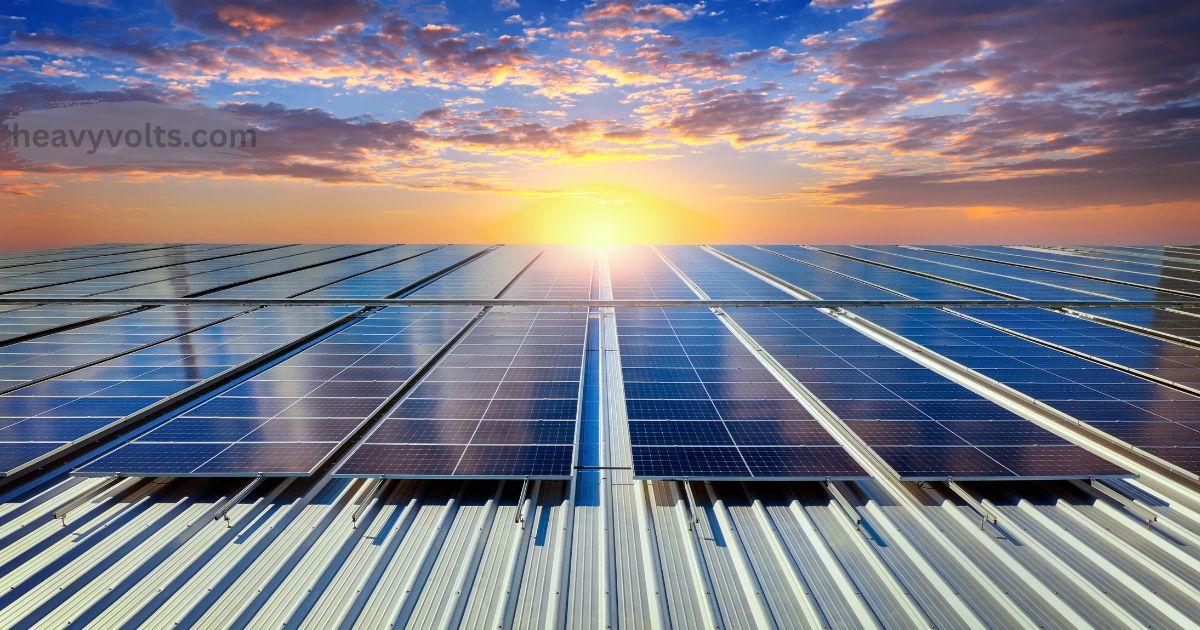
Solarize energy is transforming the way people think about electricity, offering a practical solution that combines environmental responsibility with long-term financial savings. Instead of relying solely on traditional energy sources that fluctuate in price and contribute to carbon emissions, more homeowners and businesses are turning to solar energy as a dependable alternative. The idea behind solarize energy is simple: capture the abundant power of sunlight and convert it into electricity that can run homes, offices, farms, and even industrial facilities. What once seemed like futuristic technology has become an everyday reality for millions of people around the world.
The popularity of solar has grown rapidly because technology has improved while installation costs have steadily declined. Governments, energy experts, and environmental organizations continue encouraging renewable energy adoption to reduce dependence on fossil fuels. In the United Kingdom especially, homeowners are discovering that investing in solar energy panels UK offers more than environmental benefits—it can also provide meaningful savings on electricity bills over many years.
Recent government figures highlight just how quickly the market is expanding. During 2025, the UK recorded 269,000 new solar installations, the highest annual total ever, and by March 2026 the country had surpassed 2 million installed solar systems. Government estimates also suggest rooftop solar can help households save up to £480 per year, while installation costs have continued to decline.
Why Solar Energy Is Becoming More Popular ?
The rapid growth of solarize energy is not happening by accident. Around the world, electricity prices have become less predictable, encouraging homeowners to seek greater control over their monthly expenses. Installing solar panels allows households to generate their own electricity during daylight hours, reducing reliance on the national grid and protecting themselves from rising utility costs. As energy independence becomes increasingly important, solar power offers a practical answer rather than simply an environmental statement.
Another reason behind this popularity is public awareness of climate change. People now recognize that even small changes in their daily lives can collectively make a significant difference. Solar systems produce electricity without releasing greenhouse gases during operation, helping reduce carbon emissions over decades of use. Modern systems also require relatively little maintenance, making them attractive for busy homeowners who want long-term value without constant upkeep.
Businesses have joined the movement as well. Companies are investing in rooftop solar to reduce operating costs while strengthening their sustainability credentials. Customers increasingly appreciate brands that demonstrate environmental responsibility, making renewable energy an attractive business investment beyond simple financial savings.
Industry data also shows that solar power now contributes more than 6% of Great Britain’s electricity generation, with installed capacity continuing to grow each year. The remarkable pace of deployment demonstrates increasing public confidence in renewable technologies and highlights solar’s expanding role in the UK’s clean energy future.
How Solar Energy Works
Many people assume solar technology is highly technical, but the underlying concept is surprisingly straightforward. Every day, sunlight reaches rooftops with enough energy to generate useful electricity. Solar panels contain photovoltaic (PV) cells made from semiconductor materials, usually silicon. When sunlight strikes these cells, electrons begin moving, creating direct current (DC) electricity.
Since homes operate using alternating current (AC), the electricity produced by the panels passes through an inverter that converts DC into usable AC power. This electricity can immediately supply lights, kitchen appliances, televisions, heating systems, computers, and other household devices. If the system generates more electricity than the home needs, the excess can often be exported to the grid or stored in batteries, depending on the installation.
Today systems are significantly more efficient than earlier generations. Improved panel designs perform better during cloudy conditions, making them highly suitable for the UK’s climate despite common misconceptions about sunshine levels. Professional installers carefully position panels to maximize sunlight exposure throughout the year, ensuring homeowners receive the greatest possible return on their investment.
Many experts compare solar panels to a personal electricity factory sitting quietly on your roof. Instead of buying every unit of electricity from an energy supplier, your home becomes capable of producing much of its own power. This simple shift fundamentally changes the relationship between homeowners and energy consumption.
Why Homeowners Are Choosing Solar Energy Panels UK
The market for solarize energy panels UK has experienced exceptional growth because homeowners increasingly view renewable energy as a smart financial decision rather than merely an environmental choice. Rising electricity prices have made solar investments far more attractive than they were just a decade ago. Every kilowatt-hour generated by rooftop panels reduces electricity purchased from the grid, helping households manage long-term energy costs more effectively.
Government data indicates that nearly 95% of new UK solar installations completed during 2025 were installed on homes, businesses, and other rooftops rather than large utility-scale projects. This demonstrates growing confidence among ordinary property owners who recognize the value of generating electricity where it is consumed. New financing models have also made installation more accessible by reducing upfront costs for many households.
Property values can also benefit. Homes equipped with modern solar systems often appeal to environmentally conscious buyers seeking lower future energy bills. While the exact increase varies depending on location and installation quality, energy-efficient homes continue attracting strong interest in many housing markets.
Perhaps the greatest advantage is peace of mind. Knowing that a significant portion of household electricity comes directly from sunlight provides reassurance against future energy price volatility. Rather than feeling vulnerable to unpredictable utility bills, homeowners gain greater control over their energy expenses while contributing to a cleaner environment.
Types of solarize energy Systems
Not every property requires the same type of solar installation. Modern solar technology offers several system designs, allowing homeowners to choose an option that best matches their energy needs, property characteristics, and budget.
Grid-tied systems remain the most common choice because they connect directly to the public electricity network. During sunny periods, homeowners use electricity produced by their panels while importing additional electricity from the grid only when necessary. Excess production may also be exported, depending on local arrangements and regulations.
Off-grid systems operate independently from the electricity network. These installations combine solar panels with battery storage to provide complete energy independence. They are particularly useful for remote locations where connecting to the grid would be expensive or impractical.
Hybrid systems combine the advantages of both approaches. Solar panels generate electricity during the day, while batteries store surplus energy for evening use. The grid remains available as backup whenever additional electricity is needed. Hybrid solutions have become increasingly popular because battery prices continue falling while performance steadily improves.
Choosing between these options depends on electricity consumption, available roof space, budget, and long-term goals. A qualified installer can evaluate these factors and recommend the most appropriate system for each individual property.
Conclusion
Solarize energy is no longer simply an environmental movement—it has become a practical investment for homeowners, businesses, and communities seeking cleaner, more affordable electricity. With improvements in technology, declining installation costs, and increasing public awareness, solar power now offers an attractive combination of financial savings, energy security, and environmental responsibility.
Whether you are exploring solar energy panels UK for your home or researching renewable solutions for your business, solar technology provides long-term value that extends far beyond reduced electricity bills. Every ray of sunlight captured by modern photovoltaic panels represents an opportunity to generate clean electricity while contributing to a more sustainable future.
As renewable energy continues evolving, households that embrace solar today position themselves to benefit from decades of reliable electricity production, lower operating costs, and reduced environmental impact. Investing in solar is not simply about saving money—it is about building a smarter, greener future powered by one of Earth’s most abundant natural resources.
Frequently Asked Questions About Solarize Energy
What is solarize energy?
Solarize energy refers to adopting solar power systems to generate clean, renewable electricity for homes and businesses using sunlight.
Are solar energy panels UK effective in cloudy weather?
Yes. Modern solar panels generate electricity even on cloudy days, although production is naturally higher during bright sunshine.
How long do solar panels last?
Most quality solar panels last 25–30 years or longer while maintaining strong performance.
Can solar panels reduce electricity bills?
Yes. Depending on system size and energy usage, homeowners can significantly reduce their electricity costs and may also earn money by exporting surplus electricity.
Is solar energy environmentally friendly?
Absolutely. Solar energy produces electricity without direct greenhouse gas emissions, helping reduce carbon footprints and supporting cleaner energy generation.