
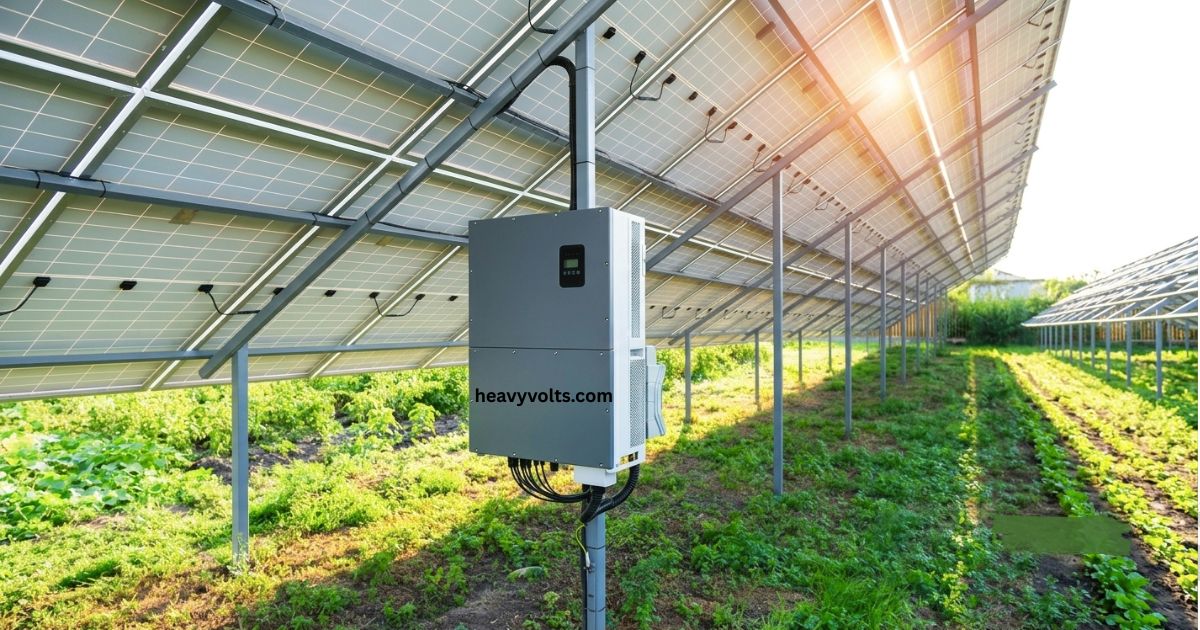
Solar inverter technology is the heart of every efficient solar power system, making it possible to turn the sun’s energy into electricity that powers your home or business. When people think about solar energy, they usually imagine rows of solar panels absorbing sunlight throughout the day, but those panels are only one part of the complete system.
On their own, solar panels generate direct current (DC) electricity, which cannot be used by most household appliances. This is where the solar inverter becomes essential, converting DC electricity into alternating current (AC) so it can safely run lights, fans, televisions, refrigerators, and other everyday devices.
In addition to converting electricity, modern inverters help optimize system performance, monitor energy production, and protect the entire solar installation from electrical faults. Whether you are installing a new solar system or upgrading an existing one, understanding how this technology works can help you improve energy efficiency, reduce electricity costs, and get the maximum value from your renewable energy investment.
What Is a Solar Inverter?
A solar inverter is a device that converts the direct current (DC) electricity generated by your solar panel inverter setup into alternating current (AC) electricity the kind that powers your appliances, lights, and devices.
Think of it as a translator: your solar panels speak one language (DC), and your home speaks another (AC). The inverter bridges that gap seamlessly, making sure every bit of sunshine gets turned into something genuinely useful.
How Does a Solar Panel Inverter Work?
The process is elegantly simple at its core. Your solar panels absorb sunlight and produce DC electricity. This raw power then flows into the solar inverter, where sophisticated electronics flip the current back and forth at the precise frequency needed by your home’s electrical system typically 50 or 60 Hz depending on your region.
Modern inverters also monitor energy output, detect faults, and even communicate with smart home systems to give you real-time data on your power generation.
Types of Solar Inverters
Not all solar inverters are created equal, and choosing the right one depends on your setup and goals. String inverters are the most traditional option — they connect multiple solar panels in a series and are cost-effective for simple rooftop installations. Microinverters, on the other hand, are attached to each individual panel, making them ideal when shading or uneven sunlight is a concern, since a shadow on one panel won’t affect the rest.
Power optimizers offer a middle ground, conditioning the DC power at the panel level before sending it to a central inverter. Hybrid inverters, a newer innovation, work beautifully with battery storage systems, allowing you to store excess energy for use at night or during cloudy days.
Why the Solar Inverter Is So Important
Many homeowners focus heavily on the quality of their solar panels while overlooking the inverter but this can be a costly mistake. The solar inverter plays a direct role in determining how efficiently your system performs overall.
Even the best solar panel inverter arrangement will underperform if paired with a low-quality inverter. A reliable inverter ensures maximum energy harvest, protects your system from power fluctuations, and provides the monitoring tools you need to keep things running smoothly for years to come.
Lifespan and Maintenance
One of the more reassuring aspects of modern solar inverters is their durability. A good quality unit typically lasts between 10 to 15 years, though many now come with extended warranties of up to 25 years.
Routine maintenance is minimal mostly just keeping the unit clean, ensuring proper ventilation, and occasionally checking the display for any alerts. Because solar inverters work quietly in the background, it is easy to forget they are even there, which is perhaps the greatest compliment you can pay to any piece of technology.
Choosing the Best Solar Inverter for Your Home
Selecting the right solar inverter does not have to be overwhelming. Start by considering the size of your solar panel inverter system and your energy consumption patterns. If you live in an area with frequent shade or complex roof angles, microinverters or power optimizers may serve you better.
If simplicity and cost savings are your priority, a string inverter could be the perfect fit. And if energy independence is the goal storing power and using it on your own terms a hybrid inverter paired with a battery bank is well worth the investment.
Conclusion
A solar inverter may not be the most glamorous part of a solar energy system, but it is undeniably one of the most essential. It quietly and efficiently transforms raw sunlight into the electricity that keeps your home running day in and day out.
As solar technology continues to grow and improve, the solar inverter will remain at the very center of it all, making clean energy not just possible, but practical for everyone.
FAQs About Solar Inverters
What does a solar inverter do?
A solar inverter converts the direct current (DC) electricity produced by your solar panels into alternating current (AC) electricity, which is the standard form of power used by household appliances and the electrical grid. Without an inverter, the energy captured by your solar panels would not be usable in your home.
How long does a solar inverter last?
Most solar inverters are built to last between 10 to 15 years, though many premium models now come with warranties extending up to 25 years. Proper installation, adequate ventilation, and occasional maintenance checks can help extend the lifespan of your inverter significantly.
What happens if my solar inverter stops working?
If your solar inverter stops working, your solar panels will continue to absorb sunlight, but the energy will not be converted into usable electricity for your home. Most modern inverters have built-in monitoring systems that send alerts when something goes wrong, making it easier to identify and resolve issues quickly.
Which type of solar inverter is best for home use?
The best type depends on your specific situation. String inverters are a popular and affordable choice for homes with unobstructed rooftops. Microinverters are better suited for roofs with shading issues or multiple angles. If you plan to add a battery storage system, a hybrid inverter would be the most practical long-term choice.
Can a solar inverter work without a battery?
Yes, a solar inverter can absolutely work without a battery. In a standard grid-tied system, the inverter sends excess electricity directly back to the utility grid. However, without a battery, your home will not have power during a grid outage, even if the sun is shining.
How do I know if my solar inverter is working properly?
Most solar inverters come with a display screen or a companion app that shows real-time energy production data. If your system is generating power as expected and no error codes are displayed, your inverter is likely working fine. A sudden drop in energy output is usually the first sign that something may need attention.
Is it expensive to replace a solar inverter?
The cost of replacing a solar inverter varies depending on the type and size of the unit. String inverters are generally the most affordable to replace, while microinverters and hybrid inverters tend to cost more. However, when you consider the energy savings a well-functioning system provides, the investment in a quality replacement is almost always worthwhile.
Can a solar inverter be used in all weather conditions?
Solar inverters are designed to handle a wide range of weather conditions and are typically housed in weatherproof enclosures. However, extreme heat can reduce efficiency, which is why proper ventilation and shaded installation spots are recommended. Cold and cloudy weather does not damage the inverter, though energy output from the panels themselves may be lower.