
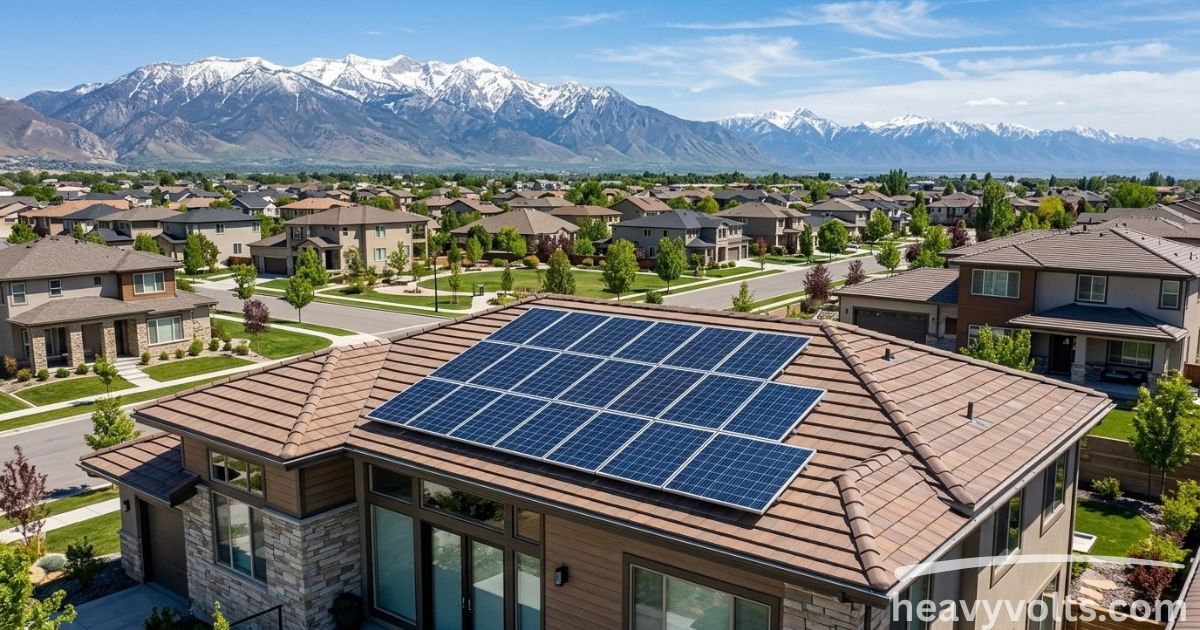
A home that generates its own electricity without shouting about it. That is exactly the appeal of in roof solar panels a solution that trades the bulky, bolted-on look of traditional solar setups for something sleeker and far more integrated.
Rather than sitting on top of the roof, these panels become part of the roof itself, replacing tiles section by section to create a smooth, uniform surface that still quietly harvests sunlight and turns it into usable power.
What Sets In-Roof Solar Panels Apart
Most people are familiar with the classic image of solar panels mounted on brackets above the roof tiles, tilted slightly to catch the sun. In-roof solar pv panels take a different approach entirely. Instead of sitting above the existing roof structure, they are fitted directly into it, sitting flush with the surrounding tiles or slates.
The result is a rooftop that looks clean, considered, and almost architectural, rather than one with equipment simply added on top. For homeowners who care as much about curb appeal as they do about energy savings, this difference matters a great deal.
Why Homeowners Are Choosing to Go In-Roof
The appeal of solar panels in roof installations goes beyond looks, although the aesthetic improvement is often the first thing people notice. Because the panels replace tiles rather than sit above them, there is generally less roofing material needed overall, which can help offset some of the installation cost.
The flush design can also reduce wind resistance compared to panels that are raised above the roofline, which is a welcome benefit in areas that see their fair share of storms and gusty weather. For many households, particularly across the UK where planning rules and conservation areas can be strict, in roof solar panels uk installations offer a way to embrace renewable energy without clashing with the character of a period property or a tightly regulated neighbourhood.
What to Expect From an Installation
Choosing an in-roof system is a slightly more involved process than a standard bolt-on installation, simply because it involves reworking a portion of the existing roof structure rather than building on top of it. An installer will typically remove a section of tiles and fit a specially designed in-roof solar panel kit, which includes the panels themselves along with the flashing, trims, and mounting components needed to keep the roof watertight.
Because the panels are doing double duty as both a power source and a piece of the roof’s weatherproofing, the quality of installation matters enormously. It is worth taking the time to choose an experienced, certified installer who understands the nuances of this particular system rather than treating it like a standard rooftop add-on.
Weighing the Investment
It would be misleading to suggest that in-roof solar panels are always the cheaper option, because in many cases they carry a higher upfront cost than traditional mounted systems. However, that cost needs to be considered alongside the savings on roofing materials, the potential increase in property value, and the simple fact that some homeowners are willing to pay more for a rooftop that looks intentional rather than retrofitted.
For anyone renovating a roof or building a new home from scratch, the timing often makes an in-roof system more financially sensible, since the roofing and solar work can be combined into a single project rather than treated as two separate expenses.
A Roof That Works Quietly in the Background
Perhaps the most charming thing about in roof solar panels is how unassuming they are once installed. They do not announce themselves the way traditional panels sometimes do, yet they perform the same essential job of turning sunlight into electricity for the home below.
As more homeowners look for ways to reduce their energy bills while keeping their properties looking their best, it is easy to see why this understated approach to solar power continues to grow in popularity.
Frequently Asked Questions
Are in roof solar panels better?
Whether in roof panels are “better” really depends on priorities. They tend to offer a more attractive, integrated appearance and can reduce the amount of extra roofing material needed, but they usually cost more to install and can be more complex to maintain than traditional mounted panels. For homeowners who value aesthetics and are renovating or building a roof from scratch, in-roof panels are often a strong choice.
What is the 20% rule for solar?
The 20% rule generally refers to guidance suggesting that a solar system should be sized to cover around 20% or more of a household’s typical energy usage as a reasonable starting point, though many systems are designed to cover a much larger share depending on budget, roof space, and energy needs.
It is more of a general planning benchmark than a strict regulation, and requirements can vary depending on location and the specific solar incentive programme being referenced.
How much are in roof solar panels?
Costs can vary widely depending on the size of the system, the region, and the specific kit chosen, but in-roof solar panels typically cost more than standard mounted systems due to the additional roofing work involved. Getting a few quotes from local installers is the best way to get an accurate picture, since prices depend heavily on roof size, material choice, and labour costs in a given area.
How Many Solar Panels Are Needed for Your Roof?
The number of panels needed depends on a household’s average energy consumption, the efficiency of the panels chosen, and how much sunlight the roof receives throughout the year. Many homes find that somewhere between 10 and 20 panels is enough to cover a meaningful portion of their electricity needs, though a solar installer can provide a more precise number based on an individual home’s usage and roof space.