
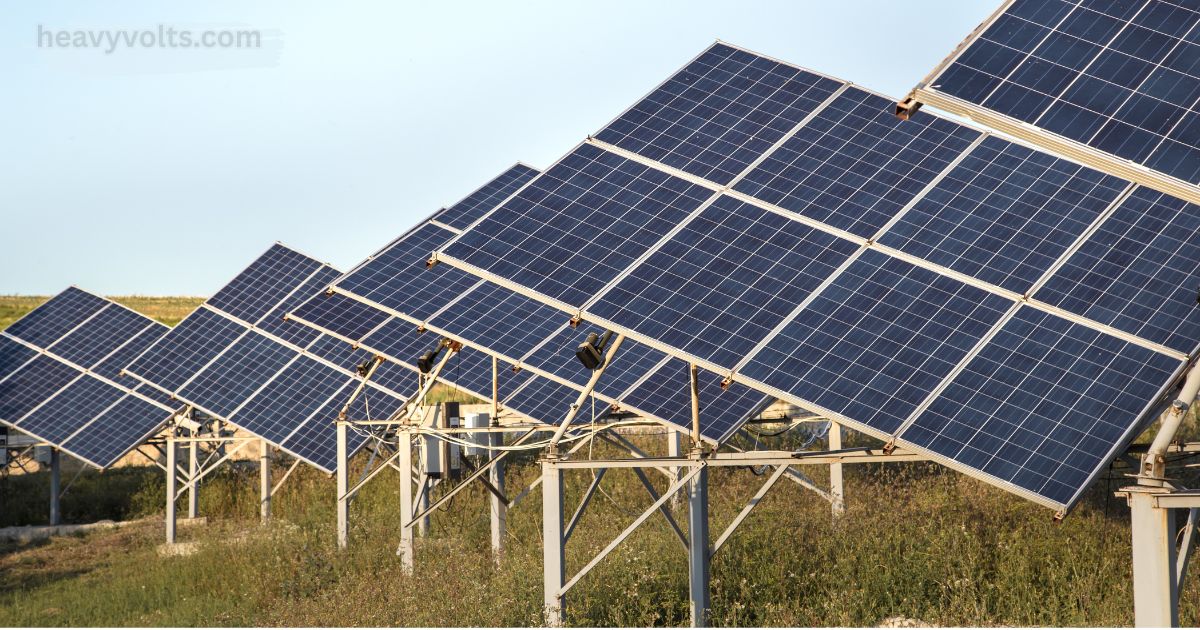
Integrated solar panels are transforming the way homeowners think about renewable energy. Unlike traditional solar systems that are mounted on top of an existing roof, integrated systems become part of the roof itself.
These innovative products are designed to blend seamlessly into the structure, creating a clean and modern appearance while generating electricity from sunlight. Many people refer to them as roof integrated solar panels because they replace or become part of the roofing material rather than sitting above it.
The concept behind integrated solar technology is simple yet powerful. Instead of treating solar panels as an additional feature, the roof itself becomes an energy-producing surface. This approach combines aesthetics and functionality into one solution.
Homeowners can enjoy renewable energy production without compromising the visual appeal of their property. As sustainability becomes a priority worldwide, integrated solar technology is gaining attention from architects, builders, and environmentally conscious homeowners alike.
The global market for building-integrated photovoltaics continues to expand rapidly. Industry reports estimate that the market exceeded USD 31 billion in 2025 and is expected to grow significantly over the coming years as more homeowners and businesses seek energy-efficient building solutions.
How They Differ from Traditional Solar Panels ?
Traditional solar panels are mounted onto roof brackets above existing roofing materials. While these systems are highly effective, they are visibly attached to the roof surface. Integrated roof solar panels, on the other hand, are built directly into the roofing structure. This creates a sleek appearance that many homeowners find more attractive.
The difference goes beyond aesthetics. Integrated systems often eliminate the need for separate mounting hardware and can serve as both a roofing material and an electricity-generating system. Think of it like comparing a built-in appliance with a freestanding one. Both perform the same task, but one is designed to blend perfectly into its surroundings.
Another key distinction is architectural flexibility. Integrated systems allow builders to design roofs that look modern and streamlined while still harnessing solar energy. This combination of beauty and performance has made integrated solutions increasingly popular in contemporary home construction and roof replacement projects.
The Rise of Roof Integrated Solar Panels
Growing Demand for Sustainable Homes
The housing market is experiencing a major shift toward sustainability. Homeowners are becoming more aware of rising energy costs and environmental concerns.
As a result, technologies that reduce electricity consumption and carbon emissions are attracting widespread interest. Roof integrated solar panels fit perfectly into this trend because they combine energy generation with advanced building design.
Modern buyers are no longer looking solely at appearance and location when purchasing a property. Energy efficiency is becoming a deciding factor.
Homes equipped with renewable energy systems often stand out because they offer lower operating costs and improved environmental performance. Integrated solar roofs provide an elegant solution for homeowners who want to embrace green living without installing bulky rooftop equipment.
Research shows that the building-integrated photovoltaics market is growing at double-digit rates globally, driven by renewable energy goals, government incentives, and increasing consumer demand for sustainable construction.
Why Homeowners Prefer Integrated Designs ?
Imagine driving through a neighborhood and seeing a house where the roof quietly generates electricity without obvious solar modules sticking out. That subtle sophistication is one of the biggest reasons homeowners choose integrated solar technology.
Many people appreciate the clean lines and architectural harmony these systems provide. Traditional panels can sometimes appear as an afterthought, while integrated systems look like they were always meant to be part of the home. This design advantage is especially important for luxury properties, modern homes, and areas with strict planning requirements.
The appeal extends beyond looks. Homeowners often appreciate the idea of investing in a roof that performs two functions at once. It protects the building from the elements while producing clean electricity. This dual-purpose design creates a sense of efficiency that resonates with today’s sustainability-focused consumers.
How Integrated Roof Solar Panels Work
Energy Generation Process
The science behind integrated solar panels is remarkably similar to conventional photovoltaic systems. Solar cells capture sunlight and convert it into direct current (DC) electricity. An inverter then transforms this electricity into alternating current (AC), which powers household appliances and devices.
The difference lies in the way the solar cells are incorporated into the building. Instead of attaching panels on top of roofing materials, the solar components are integrated into tiles, shingles, or specially designed roofing sections. This creates a unified structure that serves both roofing and energy-generating purposes.
As sunlight strikes the roof surface throughout the day, the system continuously generates electricity. Excess power can often be stored in batteries or exported to the electrical grid, depending on local regulations and system design. This allows homeowners to maximize the value of the energy they produce.
Connection to Home Electrical Systems
Once electricity is generated, it flows through an inverter and into the home’s electrical system. From there, it powers lighting, appliances, electronics, and heating or cooling equipment. If production exceeds consumption, surplus energy may be stored or exported.
The process is largely automatic. Advanced monitoring systems allow homeowners to track energy production through smartphone applications and online dashboards. These tools provide real-time insights into performance, helping users understand how much electricity their roof is generating and how much money they are saving.
This seamless integration between the roof and the home’s electrical infrastructure makes solar energy feel less like an add-on and more like a natural part of everyday living.
Key Benefits of Integrated Solar Panels
Enhanced Visual Appeal
One of the strongest selling points of integrated solar panels is their appearance. Traditional solar installations can sometimes alter the visual balance of a building. Integrated systems eliminate that concern by becoming part of the roof itself.
Architects often describe integrated solar roofs as a fusion of technology and design. The panels blend with roofing materials, creating a sleek and modern look. This visual harmony appeals to homeowners who value aesthetics as much as sustainability.
For properties located in visually sensitive areas, integrated designs can provide an attractive alternative to conventional solar installations. The result is a roof that looks elegant while quietly producing renewable energy.
Improved Property Value
Energy-efficient homes continue to attract strong interest from buyers. A property equipped with roof integrated solar panels may stand out in competitive housing markets because it offers long-term savings and environmental benefits.
Potential buyers often view renewable energy systems as a valuable asset. Lower electricity bills, reduced dependence on external energy sources, and modern technology can make a home more appealing. Since integrated systems also contribute to the overall design of the property, they may enhance curb appeal in addition to energy performance.
As energy prices continue to fluctuate, the ability to generate electricity on-site becomes increasingly attractive. This can translate into stronger buyer interest and potentially higher resale value.
Long-Term Energy Savings
Perhaps the most practical advantage of integrated solar technology is the opportunity to reduce energy costs over time. By generating electricity directly from sunlight, homeowners can offset a significant portion of their utility bills.
The savings accumulate year after year. While the initial investment may be higher than some conventional roofing solutions, the long-term financial benefits can be substantial. Many homeowners view integrated solar systems as a way to protect themselves from future increases in electricity prices.
When combined with battery storage and energy-efficient appliances, integrated solar roofs can significantly reduce household energy expenses while supporting a cleaner environment.
Types of Integrated Solar Panel Systems
Solar Roof Tiles
Solar roof tiles are designed to resemble traditional roofing materials while generating electricity. They are particularly popular among homeowners seeking a premium appearance. Each tile contains photovoltaic technology that captures sunlight and converts it into usable energy.
Solar Shingles
Solar shingles function similarly to standard asphalt shingles but include solar cells. They offer a more subtle appearance than conventional panels and can be installed across large sections of a roof. Their low-profile design makes them an appealing option for modern homes.
Building-Integrated Photovoltaics (BIPV)
Building-Integrated Photovoltaics, commonly known as BIPV, represent the broader category that includes integrated solar roofs, facades, skylights, and other architectural elements. BIPV systems are designed to serve both structural and energy-generating functions. Experts consider BIPV technology a key component of future sustainable building design.
Installation Process for Integrated Roof Solar Panels
Installing integrated roof solar panels begins with a thorough assessment of the property. Professionals evaluate roof orientation, shading, structural conditions, and energy requirements. Once the design is finalized, existing roofing materials may be removed, and the integrated system is installed as part of the roof structure.
Electrical connections are then completed, linking the system to the inverter and the home’s electrical network. After testing and inspection, the system becomes fully operational. Although installation can be more complex than traditional solar panel mounting, the result is a streamlined and visually appealing roof that serves multiple functions.
Professional installation is essential because integrated systems must meet both roofing and electrical standards. Working with experienced contractors helps ensure optimal performance and long-term durability.
Costs and Return on Investment
The cost of integrated solar panels varies depending on roof size, design complexity, energy requirements, and local labor rates. While integrated systems often cost more initially than traditional rooftop solar installations, they provide value by replacing conventional roofing materials.
Many homeowners view the investment as a long-term strategy rather than a short-term expense. Energy savings, potential incentives, reduced carbon emissions, and improved property value all contribute to the overall return on investment.
As manufacturing technology advances and market demand grows, prices are expected to become more competitive. Industry forecasts suggest continued growth and increased adoption of building-integrated solar technologies worldwide.
Challenges and Considerations
Despite their advantages, integrated solar systems are not suitable for every situation. Higher upfront costs can be a barrier for some homeowners. Installation typically requires specialized expertise, which may not be available in every region.
Maintenance and repair considerations are also important. Since the solar components are integrated into the roof structure, replacing damaged sections may require more specialized work compared to traditional solar panels.
Homeowners should carefully evaluate their energy goals, budget, roof condition, and local climate before making a decision. Consulting with qualified solar professionals can help determine whether integrated technology is the right fit.
The Future of Roof Integrated Panels
The future of roof integrated solar panels looks exceptionally promising. Advances in photovoltaic materials, manufacturing processes, and architectural design are making integrated systems more efficient and accessible. Industry analysts expect strong growth throughout the coming decade as governments, businesses, and homeowners prioritize renewable energy and sustainable construction.
New developments in solar tiles, thin-film technologies, and building-integrated photovoltaics are expanding design possibilities. Future roofs may not simply cover buildings; they may function as intelligent energy-generating surfaces that communicate with smart grids, battery systems, and home automation platforms.
As technology evolves, integrated solar roofs are likely to become a common feature in new construction projects. What seems innovative today may soon become the standard approach to roofing and energy generation.
Conclusion
Integrated solar panels represent a remarkable step forward in renewable energy and architectural design. By combining roofing materials with solar technology, they offer homeowners a solution that is both functional and visually appealing. Whether you are building a new home or replacing an aging roof, roof integrated solar panels provide an opportunity to generate clean energy while enhancing the appearance of your property.
As the demand for sustainable living continues to rise, integrated roof solar panels are becoming an increasingly attractive investment. Their ability to reduce electricity costs, improve property value, and support environmental goals makes them one of the most exciting innovations in modern home design.
FAQs ABOUT INTEGRATED SOLAR PANELS
What are integrated solar panels?
Integrated solar panels are solar energy systems built directly into roofing materials, allowing the roof to generate electricity while serving as weather protection.
Are roof integrated solar panels more expensive than traditional solar panels?
Yes, they typically have a higher upfront cost, but they can replace roofing materials and provide long-term energy savings.
Do integrated roof solar panels produce enough electricity for a home?
Many systems can generate a significant portion of a household’s electricity needs, depending on roof size, sunlight exposure, and energy consumption.
Most high-quality integrated solar systems are designed to last 25 years or more with proper installation and maintenance.
Are integrated solar panels suitable for all homes?
Not always. Suitability depends on factors such as roof design, orientation, shading, budget, and local regulations.