
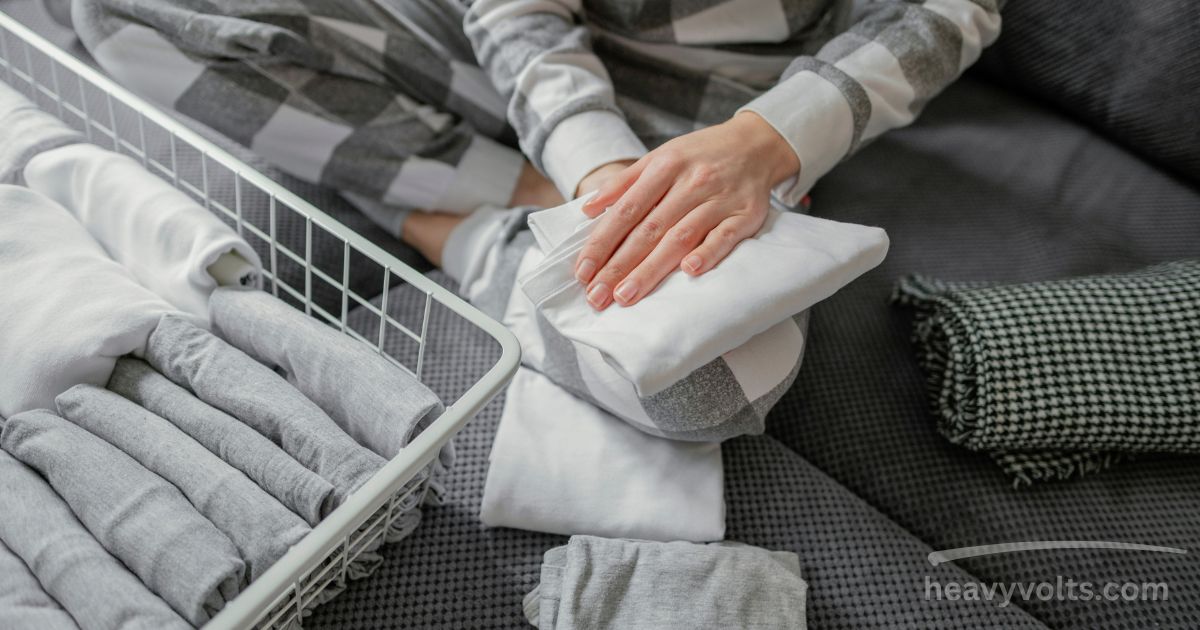
Wool blanket is one of the most desirable pieces of bedding in my home, because it feels warm and soft and stays durable for years. I see wool as a resilient fibre, but one careless wash turned my old wool sweater into a lesson, so I never take washing wool lightly. This guide covers the steps I follow, from airing and storing to drying wool the right way.
Most people fear shrinkage, and I understand why, because heat and agitation mean the fabric shrinks, mats, and eventually felts. The good news is that low maintenance care works best, since spot cleaning and infrequent washing keep a blanket in tip top condition. I tell friends to wash sparingly, and many guides say once every three months at most, so three months is a fair gap.
Good care matters most with a blanket that is stain resistant and easy to care for, and it lasts a lifetime when you respect the temperature. You can choose hand wash or a machine, and you can skip dry cleaning most of the time. Both natural fibres and other fibres like gentle laundry habits so keep your washes few .
Machine Washing a Wool Blanket
I always read the care label and the laundry tag before I touch the washing machine. The symbols matter: a bowl with water means the blanket is machine washable, and the maximum temperature sits beside it. A hand dipping into the bowl means hand wash only, and a bowl crossed out means you must not wash the blanket at all.
Lines underneath the bowl tell you which cycle to pick. One line points to a synthetic cycle, while two lines call for a gentle cycle, a delicate cycle, or a wool wash cycle. I usually pick the handwash cycle on my machine, because a gentle wash protects wool blankets best.
A good wool setting uses low temperature programs with minimum drum rotation, and Which? explains that these suit delicate clothes and silk. The drum turns slowly, and the cycle gives gentle agitation and low water temperatures, so less friction and heat reach the wool. These cycles also cut spinning, which keeps natural fibres at their size and shape and helps prevent shrinkage.
For a heavily soiled blanket, I use cold water and a wool detergent, and I choose wool wash detergents only. I pick a front-loading machine because a top-loader has a centre agitator that pulls at the wool and felts wool fast. I set a low spin, I never overload the drum, and I wash alone so the blanket avoids pilling, and machine shrinkage rarely happens.
If a blanket feels valuable, vintage, or loosely woven, I choose hand-washing or dry cleaning. An heirloom or a dry-clean only piece goes to a cleaner experienced with wool, which gives zero felting risk. My comparison is simple: for small marks I choose spot clean only, where I dab and don’t rub, and I support the weight of any wet piece when I lift it, as I do with other garments.
Detergent for Wool Blankets
Detergent matters more than most people think, so I give my blankets a gentle treatment from the first splash. Wool is a protein fibre, close to hair in make-up, so a harsh product hurts the fibre quickly. A single ruinous cycle can wreck expensive wool, and I learned that the hard way.
Regular detergent and bio detergent hold enzymes that digest protein-based stains, and your blanket is made of the same protein. Enzyme-based detergents can cause irreversible damage after just two washes, and they hit silk just as hard. Harsh surfactants add to the problem, so I avoid them too.
I look for specialist wool detergents that are enzyme-free and pH-neutral. A good wool-specific detergent has no bleach, optical brighteners, colourants, zeolites, phosphates, or preservatives. I choose a wool wash or a delicate wash, and I keep every measure small.
If I run out, I use mild hair shampoo or baby shampoo, because both treat protein gently. I never touch chlorine bleach, which dissolves and yellows the wool, and I skip fabric softener, which coats the fibres and kills the loft and warmth. Dull wool feels very different from the cotton sheets on my bed, and dirt comes out fine without these extras.
How to Dry a Wool Blanket
Drying decides whether a blanket survives, so I take it slowly. I choose air-drying flat and lay the damp blanket on a clean dry towel on the floor or a drying rack. While it sits there, I start reshaping it to its original dimensions, so it stays reshaped as it dries, and I support weight of wet blanket with both arms when I lift it, because the weight of water stretches the fibres and can distort the shape.
I keep the blanket in the shade and away from direct sunlight, since sun causes fading and makes wool dry too quickly, which leaves coarseness. I stay away from heaters, radiators, and hot air too, because heat causes uneven shrinking. I keep the room cool and the blanket flat.
Halfway through, I flip over the blanket and swap damp towels so both sides dry evenly. I stay patient, because wool takes a day or more to dry. This is my whole formula: cool, flat, and reshaped.
I never tumble dry a blanket, because the dryer will shrink and felt it and steal its softness and shape. I also avoid a rail, since a wet blanket sags under its own load. Some people hang flat over a clothes line, but I find the floor safer.
How Often to Wash a Wool Blanket and Airing Between Washes
I rarely wash my blankets, because wool is self-cleaning, odour resistant, and antibacterial. Its fibres wick moisture and fight the bacteria that make synthetic and cotton blankets smell. That means less laundering and better longevity for every piece.
Most people do fine with once or twice a year, and some guides suggest once every three months if the blanket sees daily use. Each wash adds felting risk, so I use spot-cleaning for spills in between. I find that this habit saves both time and wool.
For airing, I carry the blanket outside and shake it to drop dust and dirt. I choose a dry breezy day with good airflow, and I pick the shade over direct sun. Air ventilation can freshen the wool and remove odours without water.
On wet days, I drape the blanket over a chair by an open window for a few hours. A well-aired blanket can move from one season to the next with no wash at all. I have done this for years with great results.
Storing a Wool Blanket
I store a blanket only when it is clean and completely dry, because damp wool brings a musty smell and invites moths. I fold it into a breathable cotton bag or a box and keep it in a cool place that stays dark. I avoid sealed plastic, even though some guides recommend air-tight containers.
Cedar blocks and lavender sachets keep pests away, and lavender smells lovely too. If pests are common at home, I tuck in cedar chips, since cedarwood works as a natural flying insect repellent. I once found moth holes in a blanket I stored badly, so now I check every bag twice.
Unique Steps
Wool felts because of its microscopic overlapping scales, which sit like shingles on a roof. When the fibre gets wet and hot, the scales lock into irreversible tangling, the surface starts to mat, and the blanket stiffens. I once turned a wool sweater into a doll-sized top, and that mistake taught me what felting really means.
Three things cause trouble, and I call them the three felting triggers: hot water, agitation, and temperature shock. Even a small temperature change counts, so I keep the water lukewarm or cool water and say never hot. Heat causes most of the shrinkage I see, so I respect it.
I never wring a blanket, and I never twist it or go scrubbing at it. A vigorous machine cycle or a hot dryer does the same harm as wringing. Instead I press water out gently, and I keep an always do and never do list inside my laundry cupboard.
My hand-wash method has seven steps, and I follow them every time. I fill a bathtub, a tub, or a basin, add a little mild detergent, and swish the water. Then I submerge the blanket and let soaking run for 10–15 minutes.
Next I rinse until the water runs clear, and then I push the blanket against the side of the tub or roll in towel to squeeze out the rest. I keep supporting the weight with both arms as I lift it. Then I dry flat on a towel, and I never use a hanger.
Every wool type acts differently, so I check the care label before anything else, and the key takeaways of this guide say the same. Merino wool washes well by hand, superwash copes with a machine, and traditional wool such as coarse wool in army blankets needs hand-wash care. Blends like wool-cotton and wool-acrylic forgive more mistakes than pure wool.
Structured wool, vintage pieces, and loosely woven throws need dry-clean service. A dry-clean only label means exactly that, and I give every heirloom to a pro. I never risk water on those.
For spills, I spot clean straight away. Wool looks water repellent at first, but liquid stains soak in after a few minutes, so I grab warm water and mild detergent. I don’t scrub; I soak the mark lightly and blot with a soft cloth.
Between washes, I lay flat a blanket on the floor and brush it with a garment brush. A soft-bristle brush works great, and I brush along the grain in the same direction. That smooths the wool fibres and lifts surface soil.
Pilling happens with normal use, so I use a sweater shaver, a wool comb, or a fabric comb with a light hand. When a blanket feels hard, I soak it with wool softener or hair conditioner to ease the stiffness, and I avoid stretching it. Wool acts like hair because it is a protein fibre, so gentle products help.
Wool is self-cleaning and odour-resistant, so over-washing ranks among the mistakes people make most. The number-one cause of ruined blankets is hot water, followed closely by hanging wet. I skip bleach and softener, and I choose an enzyme-free, pH-neutral wash.
For storage, I use a cotton bag with lavender or cedar, and I never use plastic. I once found moth holes in a blanket I sealed badly. That lesson changed how I store everything.
FAQ’S
how to wash a wool blanket?
To wash a wool blanket, I read the care label first, then choose between hand-wash, a machine washable setting, spot clean, or dry clean. I air between washes and wash alone just once or twice a year. This keeps heat, agitation, and temperature shock away, and that stops shrinkage and felting.
For hand-washing, I fill a bathtub or tub with lukewarm or cold water, add wool detergent that is enzyme-free and pH-neutral, and soak for 10–15 minutes. I rinse, press the water out, and don’t wring. Then I reshape the blanket, dry flat on a towel in the shade, and avoid dryer heat.
If the label allows a machine, I pick a front-loader with low spin. I then choose the delicate cycle or the wool wash cycle. My blanket comes out soft every time.
how to wash a pendleton wool blanket?
I treat a Pendleton wool blanket with the same respect as any good wool, and I check the care label from Pendleton before I start. Many of these blankets use coarse wool, so I hand-wash them in cool water with a wool-specific detergent that is enzyme-free. A vintage, structured wool, or heirloom piece goes to dry-clean service, and a loosely woven one gets only a spot clean.
After washing, I press water out and use no wringing, then I reshape the blanket and dry flat in the shade. I never tumble dry, because that invites shrinkage and felting. I air it often instead of washing it.
If I use a machine, I wash alone on low spin, using a wool cycle or gentle cycle. For storage, I use a breathable cotton bag with cedar. That combination keeps moths away.
how to wash wool blankets?
When I wash wool blankets, I check the laundry tag for the bowl symbol, and I obey hand wash only or machine washable. I choose hand-wash with cold water or a delicate wash cycle that offers low water temperature and gentle agitation. I wash alone and never overload the machine, which cuts pilling.
I use wool detergent or a wool wash, and I avoid bleach, fabric softener, and bio detergent because their enzymes attack protein. I wash once or twice a year, although some people go once every three months. Careful airing and storing with cedar fill the gaps.
I dry flat on towels and keep the blanket out of direct sunlight. I skip the dryer, and I skip the clothes line too. That routine has never failed me.
how to wash pendleton wool blanket?
A Pendleton wool blanket is durable, warm, and soft, and merino wool versions feel especially fine. Wool is a protein fibre, so I pick an enzyme-free wool wash and cool water. I read the care label and hand-wash the blanket, and I send an heirloom to dry-clean.
I press water out with no wringing, reshape the blanket, and dry flat on a towel in the shade. This protects against shrinkage and felting. If pilling shows up, I use a sweater shaver or fabric comb.