
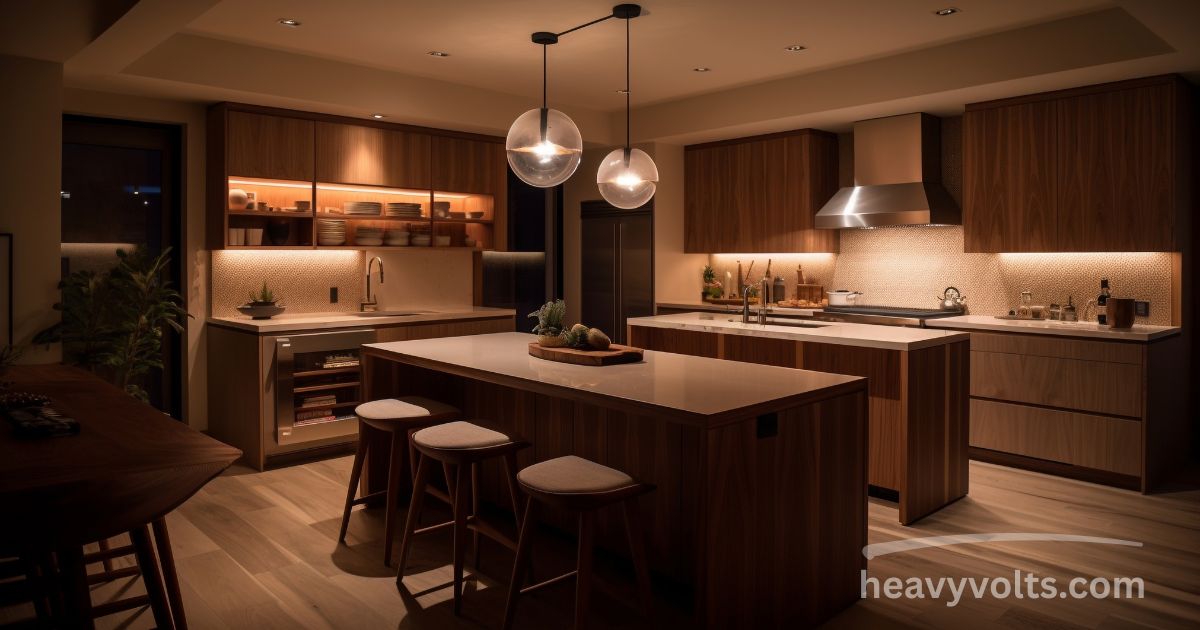
Kitchen is not just a place to cook. It is where mornings begin with a quiet cup of tea, where homework gets finished at the counter, and where friends drift in and stay longer than planned. Because so much of life happens here, the way you light this room matters more than most people realize.
Thoughtful kitchen lights do far more than help you see what you are chopping. They shape the mood, make the space feel larger, and turn an ordinary room into one you actually enjoy spending time in.
Why Good Kitchen Lights Matters
A well-lit kitchen feels welcoming and calm, while a poorly lit one can feel tiring and even unsafe. Dim corners make it harder to handle knives or read a recipe, and harsh glare can leave your eyes strained after a long evening of cooking. Good lighting and kitchen design work together, balancing function with comfort so that every task feels easier and every moment feels a little more relaxed.
The secret is to think in layers. Rather than relying on one bright bulb in the middle of the room, most designers suggest combining three types of light: ambient light for overall brightness, task light for the areas where you work, and accent light for warmth and personality. When these layers blend gently, the kitchen feels balanced instead of flat.
Choosing Kitchen Ceiling Lights
Kitchen ceiling lights are usually the foundation of your lighting plan, since they provide the general glow that fills the room. Recessed downlights are a popular choice because they sit neatly into the ceiling and give a clean, uncluttered look, which is especially helpful in kitchens with lower ceilings. Flush-mount fixtures work well in smaller spaces, while a row of elegant pendant lights can add charm and character above an island or dining counter.
When placing ceiling lights try to spread them evenly so that no part of the room is left in shadow. It also helps to avoid positioning them directly behind you while you work at the counter, as your own shadow can fall right over your workspace. A dimmer switch is a small addition that makes a big difference, letting you brighten the room for busy cooking and soften it for relaxed dinners.
Lighting for Underneath Kitchen Cabinets
If there is one upgrade that people tend to love the most, it is lighting for underneath kitchen cabinets. This type of task lighting shines directly onto your countertops, removing the shadows that ceiling lights often cast. Chopping vegetables, reading a recipe, or simply wiping down the counter all become simpler and more pleasant.
LED strips and slim light bars are the most common options, as they are energy efficient, stay cool, and are easy to tuck out of sight. Placing them toward the front edge of the cabinet helps the light spread across the whole counter without glare bouncing off shiny surfaces.
Many people also find that under-cabinet lights create a soft, cozy glow in the evening, making them perfect as a gentle night light when the main lights are off.
Picking the Right Color and Brightness For kitchen lights
Light color can change how your kitchen feels. Warm white, around 2700K to 3000K, creates a soft and inviting atmosphere, while neutral white, around 3500K to 4000K, offers a fresher and clearer look that suits busy cooking areas. Very cool, bluish light can feel clinical, so it is usually best avoided in a space meant to feel like home. Whichever you choose, keep the color temperature consistent across all fixtures so the room feels harmonious.
Brightness matters too. A kitchen generally benefits from plenty of light, but flexibility is the real goal. Combining dimmable fixtures with different light sources lets you adjust the mood to suit the moment, whether you are preparing a big family meal or enjoying a quiet late-night snack.
Final Thoughts
Lighting is one of the simplest ways to change how a kitchen feels, and it does not require a full renovation to make a real difference. By layering soft ceiling lights, practical under-cabinet lighting, and a few decorative touches, you can create a space that feels warm, functional, and full of life. Start small if you need to, and let your kitchen grow brighter with kitchen lights, one thoughtful light at a time.
FAQ’S About kitchen lights
Which types of lights are best suited for a kitchen?
The best kitchen lighting is a thoughtful mix of layers. Recessed or flush-mount ceiling lights provide general brightness, under-cabinet LED strips light up your work surfaces, and pendant lights add style over an island or table. Together they give you a space that is both practical and beautiful.
What is the current trend for kitchen lighting?
Right now, homeowners are leaning toward warm, layered lighting that feels natural and comforting. Statement pendants, hidden LED strips, dimmable controls, and fixtures with textured or handcrafted finishes are all popular. The overall focus is on creating a kitchen that feels cozy and personal rather than overly bright or industrial.
What type of LED lighting is ideal for a kitchen?
Look for LED lights with a high color rendering index (CRI) of 90 or above, as this helps food and surfaces look true to color. A color temperature between 2700K and 4000K works well for most kitchens, and dimmable options give you extra control. For under-cabinet areas, slim LED strips or bars with a soft, diffused finish are an excellent choice.
What are the latest kitchen lighting trends for 2026?
In 2026, kitchen lighting is moving toward warmth, sustainability, and smart convenience. Expect to see energy-efficient LEDs, smart lighting that adjusts brightness and color through an app or voice, sculptural pendant lights, and concealed lighting built into shelves and cabinetry. Natural materials like wood, ceramic, and woven shades are also in favor, helping kitchens feel calm and welcoming.