
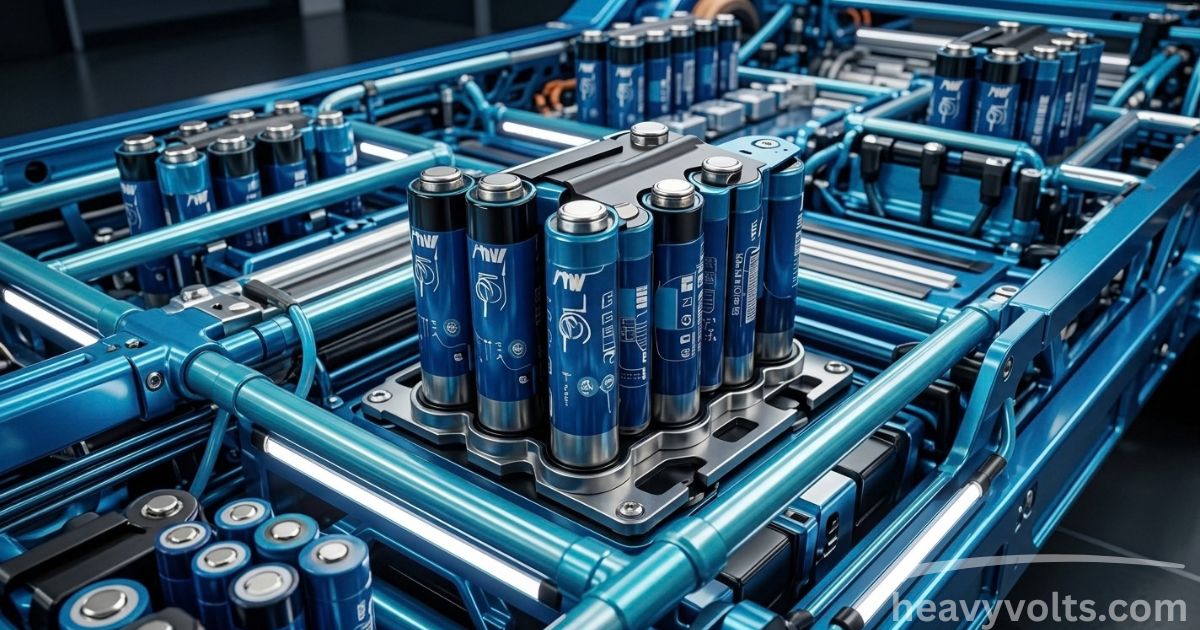
There is a good chance that the device you are using to read this very sentence is being kept alive by a small, unassuming cell tucked somewhere inside its frame. It doesn’t ask for attention, it doesn’t make noise, and yet it quietly powers almost everything we rely on.
That is the story of the lithium battery a technology so woven into daily life that we rarely stop to appreciate how much it has changed the way we live, work, and move.
What Makes a Lithium Battery Different ?
At its heart, a lithium battery is a rechargeable energy source that relies on the movement of lithium ions between two electrodes to store and release power. What sets it apart from older battery types is its remarkable ability to pack a large amount of energy into a very small and lightweight package.
This is why a lithium ion battery can comfortably fit inside a slim smartphone yet still last through a full day of calls, messages, and scrolling. The chemistry behind it may be complex, but the outcome is simple: more power, less bulk, and a longer life between charges.
Why Lithium Batteries Are Everywhere
It would be difficult to name a corner of modern technology that hasn’t been touched by lithium batteries. They rest inside laptops, wireless earbuds, electric toothbrushes, power banks, and increasingly, the cars we drive. Electric vehicles in particular have become a symbol of how far this technology has come, offering drivers the ability to travel long distances on a single charge while reducing dependence on fossil fuels.
Even renewable energy systems, like solar power setups at home, often lean on lithium batteries to store excess energy for use after the sun goes down. In many ways, this small piece of technology has quietly become one of the biggest enablers of a cleaner, more connected world.
The Challenges That Come With the Benefits
No technology is without its imperfections, and lithium batteries are no exception. Over time, repeated charging cycles can cause them to lose some of their original capacity, which is why an older phone battery may not last as long as it once did. There are also valid concerns about safety, since damaged or poorly manufactured cells can overheat under certain conditions.
On a larger scale, the mining of lithium raises questions about environmental impact and the wellbeing of communities living near extraction sites. These challenges do not erase the benefits of the technology, but they are an honest reminder that progress often comes with responsibilities attached.
Lithium Batteries and the Road Ahead
Despite these hurdles, the outlook for lithium battery technology remains hopeful. Researchers around the world are working on ways to make these batteries last longer, charge faster, and recycle more efficiently, all while reducing the environmental footprint of production.
As demand for electric vehicles and renewable energy storage continues to grow, it is likely that lithium batteries or improved versions of them will remain central to how we power our lives for years to come. What began as a quiet innovation has become one of the defining technologies of our time, and its story is still being written.
Frequently Asked Questions
What Is the Main Problem with Lithium Batteries?
One of the biggest drawbacks is the gradual reduction in capacity after repeated charging cycles, causing the battery to store less energy as it gets older. There are also safety considerations, since damaged or defective cells can overheat, and broader environmental and ethical questions tied to how lithium is mined and sourced.
What is a lithium battery used for?
Lithium batteries are used to power a wide range of everyday devices, including smartphones, laptops, tablets, power tools, and electric vehicles. They are also increasingly used in renewable energy systems to store solar or wind power for later use.
How Does a Lithium Battery Differ from a Traditional Battery?
A regular, non-rechargeable battery (such as an alkaline battery) is typically used once and then discarded, while a lithium battery is designed to be recharged and reused hundreds or even thousands of times. Lithium batteries are generally lighter, provide greater energy capacity for their size, and retain their charge longer when stored compared with traditional battery types.
What country is richest in lithium?
Bolivia is widely considered to hold the largest known lithium reserves in the world, followed closely by countries such as Argentina, Chile, and Australia. Together, Bolivia, Argentina, and Chile form what is often referred to as the “Lithium Triangle,” a region responsible for a major share of the world’s lithium resources.