
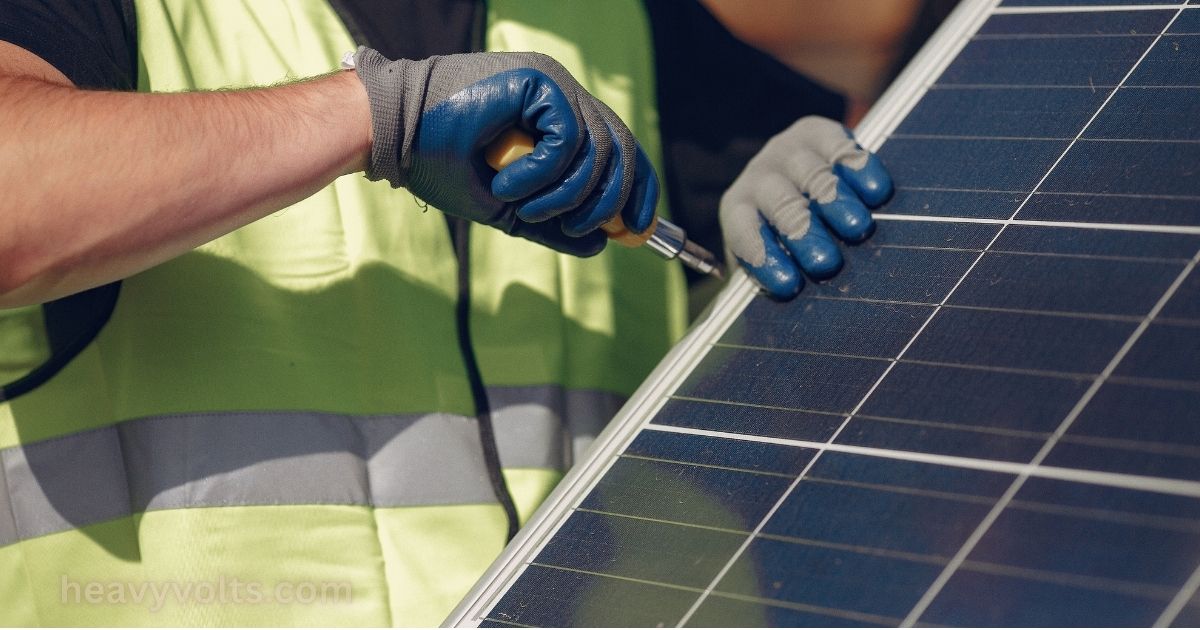
Plug in solar panels are becoming an increasingly popular solution for homeowners looking to lower their energy bills while embracing cleaner and more sustainable energy sources. As electricity costs continue to rise and environmental concerns gain greater attention, many people are searching for practical ways to reduce their dependence on traditional power supplies.
These innovative solar systems offer a simple and affordable method of generating renewable electricity without the complexity often associated with conventional solar installations. Whether you own a house, rent an apartment, or simply want to make your home more energy efficient, plug in solar panels provide an accessible and convenient pathway toward a greener future.
What Are Plug In Solar Panels?
Plug in panels are compact solar energy systems designed to generate electricity from sunlight and feed it directly into your home’s electrical network. Unlike conventional rooftop solar systems that often require professional installation and extensive wiring, these systems are designed for simplicity.
They typically include solar panels, a microinverter, and a connection cable that allows the generated electricity to be used within the home.
The concept behind plug in solar panels is straightforward. When sunlight reaches the solar cells, electricity is produced and converted into usable power. This energy can then help run household appliances, reducing the amount of electricity you need to purchase from your energy supplier.
How Do Plug In Solar Panels Work?
The process begins when sunlight strikes the photovoltaic cells within the solar panels. Since household appliances operate on alternating current (AC), a microinverter is used to convert the electricity into a form that can be used safely inside the home.
Once converted, the electricity flows into your home’s electrical circuit. Any appliance that is operating at that time can use the solar-generated energy first before drawing power from the grid. This means your home becomes more energy efficient during daylight hours, helping to reduce electricity consumption and lower utility costs.
Benefits of Plug In Solar Panels
One of the biggest advantages of plug in solar panels is their affordability. Traditional solar systems often require a significant upfront investment, while plug-in systems offer a more budget-friendly alternative. This makes renewable energy accessible to a wider range of households.
Another major benefit is ease of installation. Many systems are designed to be simple to set up, making them attractive to people who want a straightforward solution. Their flexibility is also appealing because they can be installed in gardens, balconies, patios, sheds, or other outdoor spaces where sunlight is available.
In addition to financial savings, plug in solar panels help reduce carbon emissions. By generating clean electricity from sunlight, households can decrease their dependence on fossil fuels and contribute to a more sustainable environment.
Are Plug In Solar Panels Suitable for Every Home?
While plug in panels can be beneficial for many households, their effectiveness depends on several factors. Properties with good sunlight exposure generally achieve the best results. South-facing locations with minimal shading often provide the highest energy production throughout the year.
The amount of electricity used during the daytime also plays an important role. Homes that consume more energy during daylight hours are likely to see greater savings because they can make better use of the electricity generated by the panels. Before purchasing a system, it is helpful to evaluate your energy usage patterns and available installation space.
Cost and Potential Savings
The cost of plug in solar panel varies depending on system size, panel quality, and additional features. Entry-level systems are generally affordable compared to traditional solar installations, making them an attractive option for homeowners looking to start their renewable energy journey.
Over time, the electricity generated by the panels can lead to noticeable savings on energy bills. Although the exact amount depends on location, sunlight availability, and household consumption, many users find that the long-term savings help offset the initial purchase cost. This makes plug in solar panels a practical investment for those seeking both environmental and financial benefits.
Environmental Impact of Plug In Solar Panels
Every unit of electricity generated from solar energy reduces the need for power produced from conventional energy sources. This reduction helps lower greenhouse gas emissions and supports efforts to combat climate change. Even a small plug-in solar system can contribute positively when used consistently over many years.
As more households adopt renewable energy technologies, the collective impact becomes even greater. Plug in panels provide an opportunity for individuals to participate in the transition toward cleaner energy without making major changes to their property.
Choosing the Right Plug In Solar Panels
When selecting a plug in panel system, it is important to consider panel efficiency, power output, durability, and safety certifications. High-quality panels may cost more initially but often provide better performance and longer service life.
It is also worth considering future energy needs. Some systems offer expandable options that allow additional panels or battery storage to be added later. This flexibility can be valuable as household energy requirements change over time.
Conclusion
Plug in solar panels offer a simple, affordable, and practical way to embrace renewable energy. They provide an excellent opportunity for homeowners and renters alike to reduce electricity costs, lower their environmental impact, and take a step toward energy independence.
While they may not replace a full-scale solar installation, they can make a meaningful contribution to everyday energy needs. As interest in clean energy continues to grow, plug in panels are becoming an increasingly attractive solution for those seeking a smarter and more sustainable future.
FAQs
What are plug in solar panels?
They’re compact solar energy systems that generate electricity from sunlight and feed it directly into your home’s electrical network, typically consisting of solar panels, a microinverter, and a connection cable.
How are plug in solar panels different from traditional rooftop solar systems?
Unlike conventional systems that often require professional installation and extensive wiring, plug in panels are designed for simplicity — they’re generally easier and cheaper to set up.
How do plug in solar panels work?
Sunlight strikes the photovoltaic cells, a microinverter converts the electricity into a usable form, and it then flows into your home’s circuit, powering appliances directly before you draw electricity from the grid.
Can renters use plug in solar panels?
Yes. Since they don’t require the extensive installation of traditional systems, they’re accessible to renters as well as homeowners, and can be set up in gardens, balconies, patios, or sheds.
Are plug in solar panels suitable for every home?
Not equally. Effectiveness depends on sunlight exposure, orientation, and shading — south-facing locations with minimal shade tend to perform best.
Do I need to use a lot of daytime electricity to benefit?
It helps. Homes that consume more energy during daylight hours tend to see greater savings, since they make better use of the electricity generated while the sun is out.
How much do plug in solar panels cost?
Costs vary based on system size, panel quality, and added features, but entry-level systems are generally more affordable than traditional solar installations.
How much can I save with a plug in solar system?
Savings depend on location, sunlight availability, and household consumption, but over time the electricity generated can meaningfully offset the initial purchase cost.