
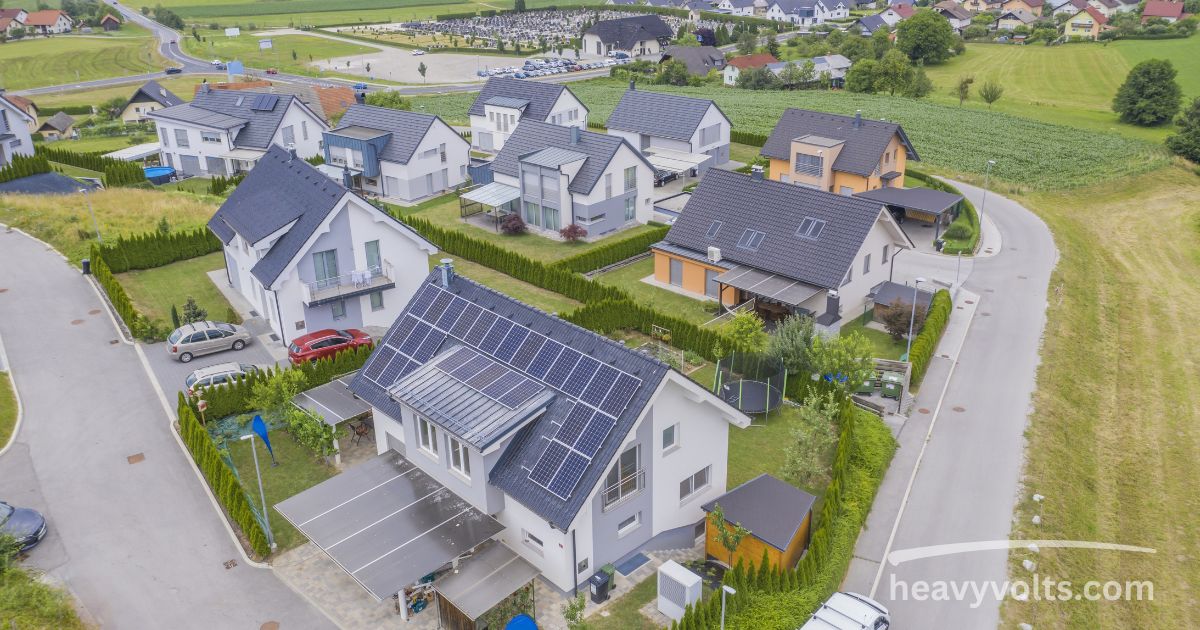
Comforting about the idea of a home that draws its energy from the sky. Every morning the sun rises whether we notice it or not, and solar panels simply invite that light into our daily lives. For many families, choosing solar is not only about lowering electricity bills. It is about peace of mind, independence, and a gentler footprint on the planet. If you have been wondering whether solar panels and home living are a good match, this guide walks you through the essentials in a calm, easy way.
Why Solar Panels and Home Living Go Together So Well
A house is a place where energy is used all day long, from the fan that hums in the afternoon to the lights that glow at night. Solar panels sit on the roof, where the sun already shines, and turn that sunlight into electricity you can use right away. Because the roof is otherwise unused space, the panels make good use of something your home already has.
Over time, many homeowners find that solar gives them a steadier sense of control. When electricity prices rise or power cuts interrupt the day, a well-planned solar setup can soften the impact. It is a long-term investment in comfort, and it tends to reward patience.
Solar Panel and Battery Kit for Home: Everything in One Place
For people who are new to solar, the idea of choosing panels, inverters, wiring, and batteries separately can feel overwhelming. This is where a solar panel and battery kit for home becomes a kind and practical option. These kits bring together the main components that are designed to work with one another, so you do not have to guess which parts match.
A typical kit includes solar panels, a charge controller or hybrid inverter, mounting hardware, cables, and a battery for storing energy. Kits are especially helpful for smaller homes, backup power setups, and first-time solar owners. They are simple to understand, and many can be expanded later as your needs grow.
Solar Panels and Batteries for Home: Why Storage Matters
Solar panels produce power only while the sun is shining, yet most of us use a lot of electricity in the evening. Batteries fill that gap. When you add solar panels and batteries for home use, the extra energy created during the day is stored and released after sunset, or whenever the grid goes down.
This means your fridge keeps running, your lights stay on, and your devices remain charged even during outages. Batteries also help you rely less on the grid, which can lower your monthly bill. Lithium-ion batteries are popular today because they last longer, need little maintenance, and use space efficiently, though lead-acid batteries remain a budget-friendly choice for some households.
Choosing a Solar Panel and Battery for Home Use
Picking the right solar panel and battery for home comes down to understanding how you live. Start by looking at your electricity bills to see how many units you use each month. Then think about which appliances matter most during an outage, such as fans, lights, a refrigerator, or a water pump.
From there, match the battery capacity to your evening and night-time needs, and the panel size to your daily consumption. It is wise to choose a reputable brand, check warranties, and speak with a certified installer who can assess your roof, shade, and direction. A little care at this stage saves a great deal of worry later.
Solar Panels and Battery for Home: Getting the Balance Right
The heart of a good system is balance. Panels that are too small will not charge the battery fully, while a battery that is too small will not store enough of what the panels produce. The inverter must also be able to handle the load of your appliances.
A balanced setup feels effortless in daily life. You may not think about it much at all, which is exactly the point. Regular cleaning of the panels, an occasional check of the connections, and a glance at the battery status are usually all the attention it needs.
A Final Thought
Going solar is a personal journey, and there is no need to rush it. Take time to understand your needs, compare options, and choose a system that fits your home and your budget. Whether you begin with a simple solar panel and battery kit for home or plan a larger setup with solar panels and batteries for home, each step brings you closer to a more independent, sustainable way of living. With the right planning, the sun can quietly become one of the most dependable members of your household.
FAQ’S About solar panels and home
How many solar panels does a home need to meet all its energy needs?
The answer depends on how much electricity your home uses, how sunny your location is, and the wattage of each panel. As a general guide, an average household using around 900 to 1,000 units per month may need roughly 15 to 25 panels of 400 to 550 watts each to be fully powered. A smaller home with modest usage may need far fewer, sometimes only 6 to 10 panels. The most reliable way to find your number is to divide your daily energy use by the average daily output of one panel in your area, or to ask an installer for a proper assessment. If you also want to charge batteries for night use, it is sensible to add a little extra capacity.
What are 10 disadvantages of solar panels?
Solar power is wonderful, but it is fair to know its limits before you decide. Here are ten honest points to consider:
- High upfront cost: Panels, inverters, and installation require a considerable initial investment.
- Weather dependence: Output drops on cloudy, rainy, or dusty days.
- No production at night Without batteries you cannot use solar power after sunset.
- Battery expense: Storage adds significantly to the total cost.
- Space requirements: Larger systems need ample, unshaded roof area.
- Roof suitability: Weak, old, or poorly angled roofs may need repair or adjustment first.
- Maintenance needs: Panels need periodic cleaning, especially in dusty regions.
- Efficiency losses: Heat, shading, and dirt can reduce performance over time.
- Manufacturing impact: Producing panels and batteries uses energy and materials, and recycling options are still developing.
- Long payback period: It can take several years before savings fully cover the investment.
Most of these challenges can be reduced with careful planning, quality equipment, and good installation.
Can I run 2 AC on a 5kW solar system?
It is possible, but it depends on the type of AC, how long you run them, and whether you have batteries. A typical 1.5-ton inverter AC uses roughly 1 to 1.5 kW while running, so two of them together may draw 2 to 3 kW, which a 5 kW system can often handle during bright daytime hours. However, older non-inverter ACs draw more power at startup, and running two of them along with other appliances may push the system to its limit. At night, you would need a large battery bank or grid support, since ACs consume a lot of energy over several hours. For comfortable daytime use of two inverter ACs, a 5 kW system can work well, but it is best to confirm with your installer.
What type of solar panel works best for residential homes?
For most homes, monocrystalline solar panels are considered the best choice. Polycrystalline panels are slightly cheaper but a little less efficient, and thin-film panels are lightweight but usually need more space. Within monocrystalline options, modern types such as PERC and N-type panels offer even better output and durability, so they are worth considering for long-term value.