
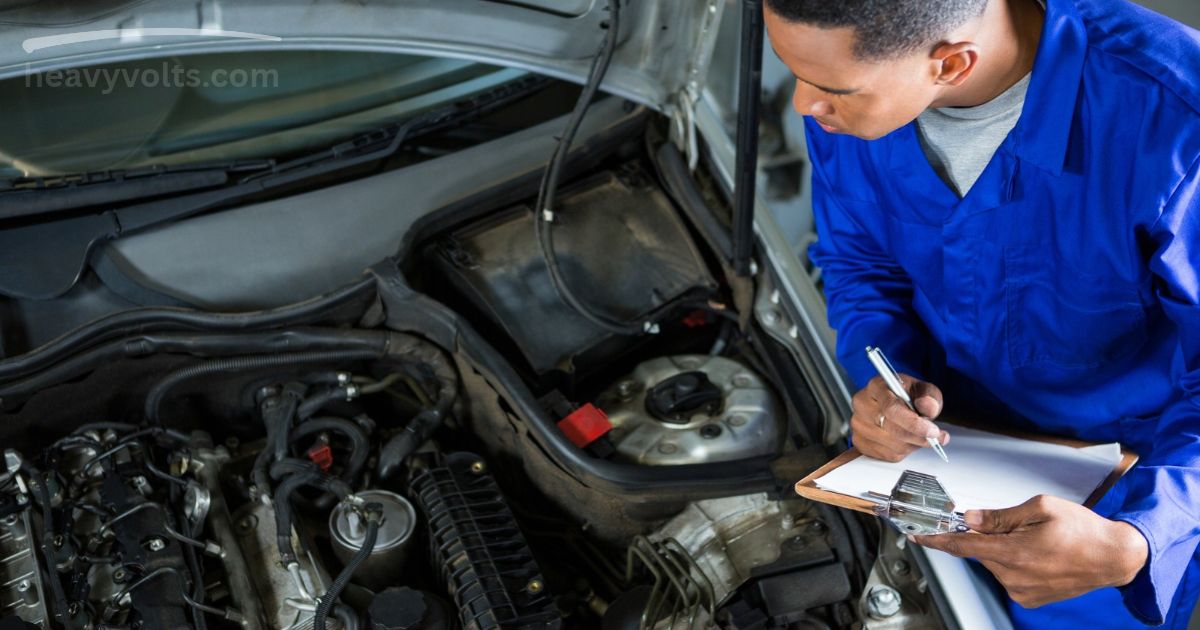
Vehicle diagnostics in Birmingham help drivers find car problems before those problems grow into big repair bills. A modern car carries dozens of sensors and control modules, and a quick diagnostic scan reads the data from both. This guide explains how a scan works, what a scan costs, and how drivers pick a garage across the West Midlands.
What are car diagnostics, and why does my car need them?
Car diagnostics means reading the computer inside a car to find the cause of a fault. The car saves fault codes whenever a part misbehaves, and a technician pulls those codes out with a diagnostic scanner. The scanner gives the driver a clear answer instead of a guess.
Garages also call the process fault finding, troubleshooting, or engine diagnostics, and the work often includes electrical testing and ECU diagnostics. A scan shows the technician where to look, and the technician then confirms the problem with hands-on testing. I would never replace a part on a code alone.
How does a diagnostic check work step by step?
A technician plugs diagnostic equipment into the car and reads the stored error codes. The tool pulls system codes from the engine control unit (ECU), and the technician explains the meaning of each code. The technician then picks the repair that fits the fault.
A full diagnostic check usually ends with a test drive or a part test. Many garages use a Snap-on scanner or an Autel scanner, and Priory Service Station in Hall Green uses both brands. Both scanners talk to the onboard computers in most modern cars.
Why is my dashboard warning light on?
A dashboard warning light comes on when the car’s computer spots a fault. The instrument panel warning light can signal anything from a loose fuel cap to a failing part. An illuminated warning light rarely fixes itself, so the driver should book a scan.
The engine management light and the malfunction indicator lamp (MIL) belong to the same group, and I would book a scan the same week either one appears. Red lights mean the driver should stop now, while amber lights mean the driver should check soon.
Which other lights should worry me?
The ABS warning, traction control fault, and airbag light all affect driver safety, so drivers should act on them quickly. An emissions alert also matters because the fault behind the alert can raise pollution and fuel use. Each light stores a code, and the code tells the garage where to start.
Sometimes a light flickers and then disappears, and technicians call that behaviour an intermittent fault. The computer still stores the code, so a scan catches what the driver’s eyes missed. Sensor failure causes many of these lights, and communication errors between modules cause others.
What symptoms mean I need a scan even without a light?
Strange behaviour often shows up before any light does. Drivers should watch for reduced performance, loss of power, poor acceleration, or a sluggish response when pressing the pedal. Any of these symptoms deserves a scan this week.
Fuel use tells a story too, because poor fuel consumption often means a part is misreading. Engine misfires and engine stalling feel like shaking or sudden cut-outs, and an overheating engine needs urgent attention because heat can damage the head gasket. Cars also give unusual noises and inconsistent behaviour as early clues.
Why does my car struggle to start?
Starting issues usually trace back to the battery, the starter motor, or the fuel supply. A scan checks the electronics, and a simple test checks the battery. Together, the two checks find the cause fast, including trouble in the charging system.
Alternator issues and battery drain can leave a driver stranded in the same way. Wiring problems and control module errors can imitate both faults, so a scan saves time. Xclusive Motor Services in Digbeth lists free battery testing, which makes a cheap first step.
What should I do if my car goes into limp mode?
Limp mode cuts engine power to protect the engine or gearbox after a serious fault. The driver should drive slowly to a safe place, stop, and call a garage. Continuing at speed risks further damage.
The garage starts with diagnostic testing and a short vehicle inspection. An electrical diagnostic often follows, because wiring and modules trigger many limp-mode cases. The technician then uses computer-based fault analysis to rank the likely causes.
Which engine and fuel faults can a scan find?
A scan reaches the fuel system, ignition system, transmission system, braking system, and exhaust system. Those systems keep a car moving and safe. The scanner reads each system without taking anything apart.
Technicians also check fuel delivery, ignition components, spark plugs, and fluid levels with the same tool. On diesels, technicians test glow plugs before the cold weather arrives. The same scan supports petrol engines, diesel engines, and hybrid vehicles.
Can diagnostics find electrical problems too?
Yes, diagnostics can find electrical problems. Vehicle electrics run everything from the headlights to the central locking, and the scanner reads each module. General body electrics and central body electrics show up in the results as well.
Modern cars also rely on vehicle electronics, and electrical faults often stay silent until a part fails. Hidden faults can sit in the system for months without any light. Many garages offer annual electrical checks as manufacturer-recommended checks, so drivers should ask the garage.
How do diagnostics protect my safety systems?
The SRS (supplemental restraint system) controls the airbags and reads the crash sensors. A fault in the SRS can stop an airbag from firing in a crash. A scan reveals that fault before the driver needs the system.
The ABS system works with speed sensors and ABS pump assemblies to stop the wheels locking under hard braking. A technician tests each part and adjusts the part if needed. Skipping these checks risks longer stopping distances.
What emissions problems can a scan catch?
An exhaust emissions failure often comes from excessive CO2 or HC emissions. A scan shows which part causes the problem. That finding can save a driver from a repeat MOT failure.
Diesel owners should know about the diesel particulate filter (DPF) and exhaust gas recirculation (EGR) parts, which garages check with DPF sensor testing and EGR sensor testing. Cleaning jobs such as DPF cleaning and carbon cleaning often follow a scan. Some cars also need AdBlue system repairs when a fault appears.
Does a scan help with ECU remapping and tuning?
Yes, a scan helps with remapping, because tuners and mechanics use the same car computer. ECU remapping rewrites software settings, while a scan checks that the engine runs healthy first. A garage should scan the car before changing anything.
A performance remap raises power, an economy remap targets fuel savings, and wider vehicle tuning blends both ideas. Garages often prove the result on a dyno rolling road, which measures real power. Drivers should ask for a healthy engine management system report before any tune.
How much do vehicle diagnostics cost in Birmingham?
Priory Service Station advertises fixed-price diagnostics at £42 including VAT on its website. The price covers a scan and a full explanation of issues. Prices at other garages differ, so drivers should always ask first.
GS Autos Ltd offers a free quote and a no-obligation quote instead of a set price. An affordable service always explains the charge before work starts, and a clear scan can save time and expense later. I would compare two quotes before paying for any repair.
Is paying for diagnostics worth it?
Yes, a scan is worth the money, because the scan lets a driver pinpoint the underlying cause and avoid unnecessary part replacement. A quick diagnosis also helps the driver minimise downtime. Guessing usually costs more than scanning.
Good technicians deliver accurate and fast results and give the driver an accurate diagnosis in plain words. Then the technicians list recommended repair solutions and rank the repair solutions by urgency. The driver decides what to fix first.
What technology should a good garage use?
Good garages invest in latest diagnostic technology because modern cars change fast. Xclusive Motor Services says the garage carries the hardware and software to deal with most faults. Drivers should ask which advanced diagnostic equipment the garage owns and which systems the equipment covers.
Garages often describe their tools as industry-leading technology or cutting-edge technology. Those labels mean little without brand details, because strong fault detection depends on tools and training together. A confident garage names the scanners and the cars the garage supports.
How do I pick a good garage for diagnostics?
Drivers should look for expert technicians who are fully trained and handle all makes and models. Drivers should also ask whether the garage works on both mechanical and electrical systems. A garage that skips either half will miss faults.
Experienced technicians and specialist technicians spot patterns that newer staff miss, and an independent garage often gives the driver direct contact with technicians. Strong customer service, honest and fair service, and high customer satisfaction matter just as much as tools. Referrals and recommendations matter too, because GS Autos Ltd says most of its work comes that way.
Which accreditations should I look for?
Drivers should look for an RAC approved garage or a similar approved garage badge. Those badges show that a third party has checked the business. Priory Service Station displays the RAC badge on its site.
The Good Garage Scheme, Trust My Garage, Motor Codes approved, and RMI logos give extra comfort. A DVSA test station also signals that the garage meets the standards for official MOT work. A reliable, efficient, and professional garage shows these badges.
What else can a garage do besides diagnostics?
Most garages combine MOT testing, servicing, and mechanical repairs under one roof. That setup lets one team scan the car, fix the fault, and retest the repair. GS Autos Ltd can also carry out insurance work, general maintenance, and repairs under a manufacturer’s warranty.
Seasonal winter car checks and summer checks help drivers catch problems before extreme weather arrives. Auto electrics work covers wiring, batteries, and lights, while steering and suspension and brakes and clutches keep the car safe to drive. Extra jobs such as cam belt replacement, air conditioning, wheel alignment, and TPMS valve service round out the list.
Which car makes can garages diagnose?
Most garages scan a wide mix of brands. Xclusive Motor Services lists servicing pages for BMW, Mercedes-Benz, Audi, Volkswagen, Ford, and many other makes. Drivers should always confirm that the garage supports their model.
The same list includes Land Rover, Toyota, Vauxhall, Honda, and Peugeot. Older models sometimes need extra tools, so drivers should call ahead if the car is rare. A short phone call saves a wasted trip.
Where can I locate vehicle diagnostic services nearby?
Garages across the city offer scans, from Aston and Moseley to Solihull. Xclusive Motor Services serves Small Heath, Sparkbrook, Bordesley, Handsworth, Erdington, and Tysley from its main garage. Drivers should pick the nearest garage with the right equipment.
South of the city, Priory Service Station lists Yardley Wood, Hollywood, and Shirley among its local areas. The Tuner welcomes customers from across the Midlands, including Coventry, Dudley, Wolverhampton, Walsall, and Warwickshire. GS Autos Ltd, near Junction 3 of the M42, serves Redditch, Bromsgrove, and Portway.
What should I tell the garage before the scan?
Drivers should tell the technician when the problem started and how the problem feels. Drivers should also say whether the fault happens on cold mornings, at high speed, or in slow traffic. These details guide the first tests and shorten the wait.
Drivers should bring any recent repair paperwork, since past work often explains new codes. Drivers should note which lights came on, and snap a photo if a light flashes. A short, honest story helps a technician far more than a long guess.
Does cold weather change how my car behaves?
Yes, cold weather changes car behaviour, because cold and damp air expose weak batteries and worn leads. UK winter mornings often bring the first signs of a tired battery. Heat does the opposite and stresses the cooling parts.
A scan in autumn can warn the driver before the first frost arrives. Drivers who wait for a breakdown on a frosty morning pay more and wait longer. I would book a check every October.
How often should I run diagnostics?
Drivers should run a scan once a year, or sooner if the car feels different. That habit protects vehicle health and keeps small problems small. Pairing the scan with the annual service saves a trip.
Regular checks support smooth operation, optimum performance, and vehicle longevity. A well-checked car also gives the driver fewer surprise breakdowns. Drivers can book online at many garages, including Xclusive Motor Services.
FAQ’S
Can I clear a warning light myself?
A driver can reset the light, but the fault returns if the driver does not fix the cause. A reset only wipes the stored code. The garage still needs to find why the light came on.
Cheap handheld readers give a code number, which helps the driver talk to a mechanic. Those readers rarely test parts or compare live data. I would use one out of curiosity, then book a proper scan.
Will a scan always find the problem?
No, but a scan narrows the search a lot. The scan reports what the computer knows, and some parts fail without sending a signal. A technician then tests those parts directly.
Mechanical wear rarely shows up as a code. Sound and feel guide the technician in those cases. Drivers should describe their symptoms clearly when booking.
Can I drive with a warning light on?
The answer depends on the colour and the symptoms. Red means stop safely, and amber means book a scan soon. A flashing light means act right away.
If the car shakes, loses speed, or smells of burning, the driver should stop and call for help. A short drive to the garage is usually fine for a steady amber light. When in doubt, the driver should ask the garage over the phone.
Does a scan work on older cars?
Petrol cars built since 2001 and diesel cars built since 2004 carry a standard diagnostic port in the UK and EU. The port lets a garage read the car’s computer in seconds. Cars older than those years may need other tests.
Classic cars often rely on simple mechanical checks instead. A good mechanic still inspects each part. Drivers should tell the garage the car’s age when calling.
Should I book a diagnostic scan today?
Yes, a driver should book a scan if a light is on or the car feels different. A scan costs far less than a wrong repair, and the scan gives the driver facts. Early action keeps small faults from becoming breakdowns.
Drivers should call two garages, ask what the scan covers, and compare the answers. The best choice explains clearly and shows proof of skill. The car will reward the driver with fewer surprises.