
I have spent a lot of time talking to homeowners who assumed a battery only makes sense next to solar panels. That’s not true anymore, and I want to walk you through exactly why, using real numbers and plain language instead of sales talk.
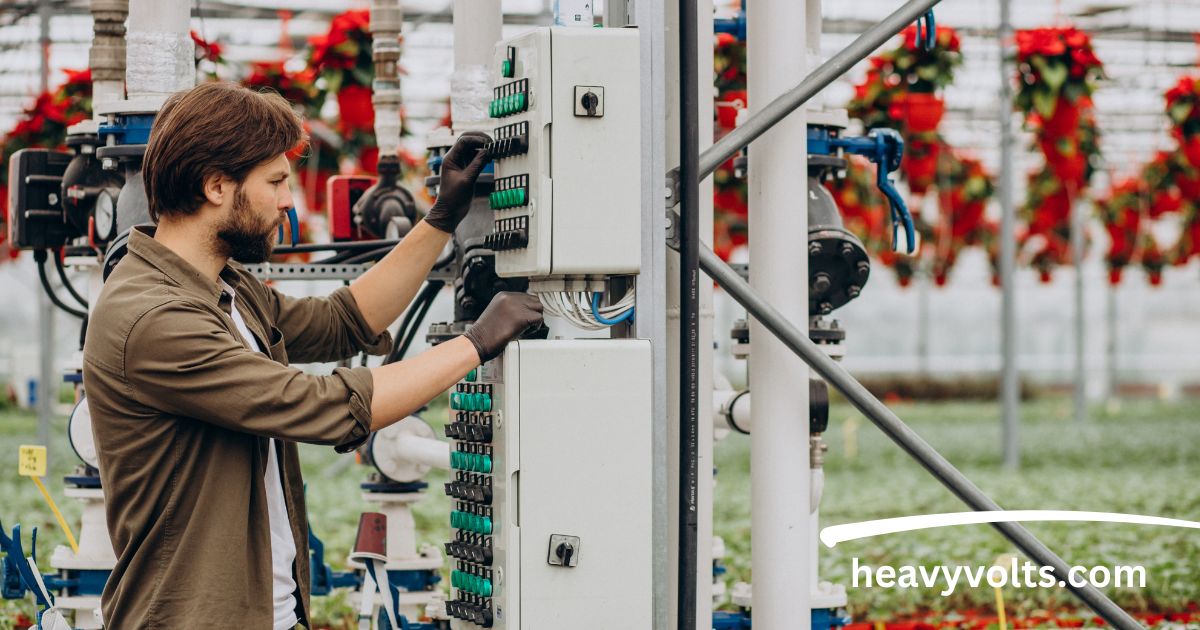
home Battery Storage UK Without Solar panels, and I meet more UK homes asking about this every month. A professional installer fixes the unit near your main electrical panel, runs a communication cable (people usually just call it a comms cable) back to your supply meter, and follows tight guidelines so everything sits safely in your garage, roughly one or two metres from other kit. Most units sold today are an all-in-one machine, built as an AC-coupled battery energy storage system (BESS), so the battery and inverter share one box, which speeds up installation no end.
Inside that box, the inverter pulls AC electricity from the grid and turns it into Direct Current (DC), so the battery can store it, then convert it back into Alternating Current (AC) for normal household use around the home. This conversion process happens quickly, and the size of the inverter decides how fast, though every system I’ve looked at handles daily electricity demand without a hitch.
During peak times, the battery discharges its stored power and sends DC power back through the same loop, and the inverter manufacturer’s app lets you schedule charges, track usage in real-time, and read live grid signals, so you know exactly when off-peak hours start.
Who Are Standalone Batteries Best Suited For?
Standalone batteries genuinely shine for anyone who can’t fit solar panels, yet still wants some protection against rising energy bills. Plenty of homeowners simply don’t have a suitable roof: it might be a flat roof, structurally unsound, too small, purely north-facing, or covered in dormers and velux windows that rule out panels completely. For these households, a battery on its own can still unlock serious savings, without a single panel ever going up.
How Much Does Battery Storage Cost?
A storage battery typically runs £3,000-7,000, and honestly, that price swings based on several factors: the brand, the size, the quality, the type, and how tricky the installation complexity turns out to be. Rather than gradually expanding your battery storage over several years, I’d suggest buying the full entire system in one go, since that way you only cover one installation fee rather than several.
Money Saving Expert puts the average standard battery system at around £5,000, though premium options like the Tesla Powerwall 3 cost more. Higher-capacity units, say 10 to 13kWh aimed at whole-home backup, sit above smaller 5kWh models in price, and while lesser-known brands can save you cash upfront, established brands usually beat them on warranties, so it pays to compare top brands properly.
Your home’s setup matters too: wiring upgrades, distance from the main consumer unit, or outdoor mounting all add labour costs, and MCS-certified installers will flag extra work if your electrics need modernising before fitting anything, and they’ll keep the whole job in compliance with current safety rules throughout. Add smart apps, better inverters, or EV-ready integration, and the price climbs a little further, but every one of these choices shapes how well the system fits your home long term.
How Much Can You Save With a Battery? / How You Save Money
The saving here all comes down to arbitrage: a time-of-use tariffs deal prices electricity far below the standard residential rate of 24.67p per kWh during quiet hours, so filling battery capacity during those off-peak windows overnight costs you very little. Take Good Energy Heat Pump, priced as of June 2026: a household using 3,400kWh per year (the national average) with a 9-10kWh battery or 10kWh battery can save roughly £396 a year, using an off-peak rate of 14p between 5am and 9am, then again between 1pm and 4pm.
On top of that, a lower standing charge of 48.01p per day, against 57.21p under Ofgem’s cap, saves you another £34 a year. Run those numbers on a battery costing between the usual price range, and you land on a payback period of 7.6 to 17.7 years, though your own figures shift with your battery tariff, your daily usage, and how well you handle battery scheduling through Octopus tariffs or similar deals. A household using about 9.3kWh per day rarely reaches break-even overnight, but the savings do add up steadily.
What Are the Best Tariffs for a Battery?
Battery Storage UK Without Solar Right now, Good Energy offers its Good Energy Heat Pump tariff at 14 pence off-peak between 5am-9am and 1pm-4pm, against a peak rate of 30.59, with a standing charge of 48.01 and yearly savings around £396. British Gas runs Charge Power at 15.131 off-peak between 12am-5am, with a peak rate of 33.768, a standing charge of 55.893, and savings near £308. Octopus offers Agile Octopus at an average of 17.84 (N/A for fixed peak hours), a standing charge of 48.79, and savings around £263.
These figures assume a round-trip efficiency of 90% and use pricing from April 2025 through April 2026. An old Economy 7 tariff rarely beats any of these three, though homes with an EV or heat pump can also explore dozens of EV tariffs and heat pump tariffs. This growing set of cost-effective tariffs shows the market is finally catching up with what battery-only homes actually need.
Grants for home Battery Storage UK Without Solar panels
Don’t expect a free battery, because no scheme hands one over outright, but a few options do help. The Warm Homes Local Grant funds energy-saving work for low-income households through your local authority, and it explicitly covers battery storage as well as solar panels, alongside ECO4, which runs until December 2026. In Wales, the Welsh Government Warm Homes Programme and Green Homes Wales offer further solar grants, though the strict criteria catch a lot of people out.
On top of that, 0% VAT applies to standalone batteries and solar and battery systems right through 2027, wiping the usual 20% tax straight off your bill. If your mortgage sits with Barclays, Halifax, or Lloyds, their green home rewards schemes can also pay out £500 to £1,000 in cashback payments once your system goes in.
Can Batteries Provide Backup Power? / Securing Backup Power
A good battery earns its keep the moment there’s a power cut. Switch on EPS mode, short for Emergency Power Supply, and it keeps essential appliances like Wi-Fi, the fridge, and lights running within seconds, which matters a lot if you work from home, have young children, or rely on medical equipment. Ask your installer or an electrician to confirm EPS mode during setup, because it needs a separate consumer unit (also called a fuse box), wired to a dedicated socket or specific circuits in your home.
Blackouts are genuinely rare in the UK — Ofgem reports around 0.4 outages a year, lasting about 36 minutes in total according to the latest Ofgem report — but when one hits, that backup power gives real peace of mind. A proper setup also needs an earth spike driven about 1.5 metres into the ground as a safety measure, which adds a bit of extra hardware and labour. Beyond outages, storing your own power gives you more control and stability, cuts your reliance on the grid, and since most modular battery systems let you grow your storage over time, you can spread the cost instead of buying everything at once.
Reduce Your Reliance on the Grid
Storing electricity and using it on your own schedule means you’re not leaning on the grid during the most expensive times or the busiest times of day.
You become far less exposed to sudden price spikes or network issues, simply because you’ve got stored energy sitting ready to use at home. Over months and years, that shift gives you noticeably more control and stability over how your household runs day to day.
The Catch / Drawbacks of Battery Storage Without Solar Panels
Nothing here comes completely free, and the biggest catch is that you’re still exposed to rising energy prices, since every unit still comes from the grid rather than the sun. National rate hikes and swings in wholesale electricity prices hit a grid-only home harder than a solar one, and import tariffs built for battery-only homes stay thinner on the ground than the dynamic tariffs made for solar, which can leave you stuck on flat-rate plans that don’t reward smart battery charging properly.
There’s also no export income on offer, because the Smart Export Guarantee (SEG) demands an MCS-certified generation system, something a grid-only battery simply doesn’t have, which is exactly why a solar-plus-battery setups combo can usually halve bills further than a standalone system ever can.
Add typical round-trip losses of 90-95% efficiency, and a slice of every cheap unit disappears along the way, though the arbitrage still comfortably wins when the price gap stays wide. And because the UK grid still leans on gas, off-peak grid power barely dents your carbon footprint you’re mostly shifting when you use fossil fuels, not cutting them, while true renewable energy stays out of reach unless you ask Glow Green for a solar quote down the line.
Best home Battery Storage UK Without Solar
/ What Home Battery Brands Should You Choose?
Three names come up again and again when people ask me for a recommendation. The Tesla Powerwall 3 holds 13.5kWh, pushes out 11.5 kW, comes with a hybrid inverter built in, carries a 10-year warranty, and suits anyone chasing genuine whole-home backup power through a slick app. Duracell Energy’s Dura16 sits nicely in the mid-range, offering solid grid-charging compatibility and dependable build quality for straightforward bill savings, while Fox ESS brings scalable battery solutions and hybrid-ready systems at a competitive price, plus strong app control for anyone thinking ahead to EV charging or adding panels later.
A few more names deserve a mention too: Sigenergy offers a 5–48 kWh modular range with AI-led scheduling, handy if solar or an EV might come later; FoxESS’s EP-series sits on the Intelligent Octopus Flux approved list at a sharp price; and AlphaESS’s SMILE range carries a genuinely strong 10,000-cycle warranty on its G3 model. Installers like Solar4Good handle all of these with reliable grid-charge behaviour and solid tariff integration, which matters more here than on a typical GivEnergy solar job.
How Long Do Batteries Last?
Modern lithium-ion batteries, which any decent installer should recommend, tend to last around 10-12 years, sometimes stretching close to 10 years on the low end. After that point, they usually need replacing, or they’ll keep degrading until you’re barely dodging any energy bills at all. Like most appliances, they slow down over time because of Solid Electrolyte Interphase growth, lithium plating, and Cathode Material Degradation, where the anode picks up layers of electrolyte that reduce its resistance and capacity, while the cathode breaks down bit by bit.
General wear and tear, and particularly cold weather, speed this up, so every new cycle takes a touch longer and produces a little more heat as the years pass.
Do You Need DNO Permission for a Battery?
You do need permission from your Distribution Network Operator (DNO) before fitting a standalone battery, the same rule that applies to solar panels, even though you won’t export electricity with a battery-only setup. Your DNO simply needs to know a device capable of drawing large amounts of power exists on their network, partly in case export tariffs appear later and partly because importing electricity quickly can cause demand spikes if nobody flags it in advance.
Which application you need depends on your inverter size. Anything over 3.68kW needs a G99 application, and your DNO usually takes four to eight weeks to respond; once approved, you get full capacity to charge and discharge freely. Anything under that threshold only needs a simple G98 application, really just a notification sent within 28 days of being commissioned, and a good installer handles all of this paperwork without you needing to chase anyone.
Are Standalone Batteries Worth It? / Are Home Batteries Without Solar Panels Worth It?
In my experience, standalone batteries are well worth it, thanks to growing TOU tariffs and VPPs that keep pushing savings higher on your electricity bills. They suit households who can’t go solar but still want real protection against future price rises, so it’s always worth getting a proper quote before deciding either way.
That said, pairing a battery with panels for self-generated energy does unlock stronger export earnings and better long-term returns, since zero-cost power from the sun avoids grid prices completely and helps your upfront cost shrink faster through SEG export payments.
Without that combination, standalone systems can take longer to break-even, and they don’t fully shield you from wholesale price hikes or wider grid outages. Solar also cuts your carbon footprint properly, since it replaces fossil-heavy grid power with real renewables, whereas a battery alone only reshuffles your consumption around the UK’s mixed grid rather than reducing it. Still, if your roof can’t take panels because of shade, awkward direction, or a listing status issue, a battery on its own beats doing nothing at all, even if solar remains the no-brainer for most homes.
FAQs About home Battery Storage UK Without Solar
Is it possible / Can you have a home Battery Storage UK Without Solar?
Yes, a standalone battery works perfectly well without solar panels, charging from grid electricity during off-peak periods and reducing your imports later in the day. Ask your installer or an electrician to set it up for full home battery backup, so it also delivers backup power, and every household gets to charge it on its own schedule regardless of a roof full of panels.
What is the best home battery brand for home Battery Storage UK Without Solar ?
Popular options include the Tesla Powerwall, GivEnergy, and Growatt, all recognised for reliable performance and solid grid-charging capability.
Does a home Battery Storage UK Without Solar Any grants?
Most government grants and incentives still lean toward solar installations, so a grid-only battery may find less funding support, and it’s worth checking the latest schemes regularly.
Is it worth getting a house battery without solar? / Is battery storage worth it without solar?
Yes, a home battery still earns its place by storing cheap off-peak electricity and trimming your energy bills, and the savings bring genuine peace of mind. Add in virtual power plants, and households gain extra protection against future price rises even without going fully solar.
How long will a 5kWh battery power a house? / How much battery storage do I need to run a house in the UK?
A 5kWh battery typically keeps essential appliances running for around 4–6 hours, handy as a quick backup during power cuts. For whole-house coverage, a 9-10kWh battery suits the national average home using 3,400kWh a year, which works out to about 9.3kWh per day.